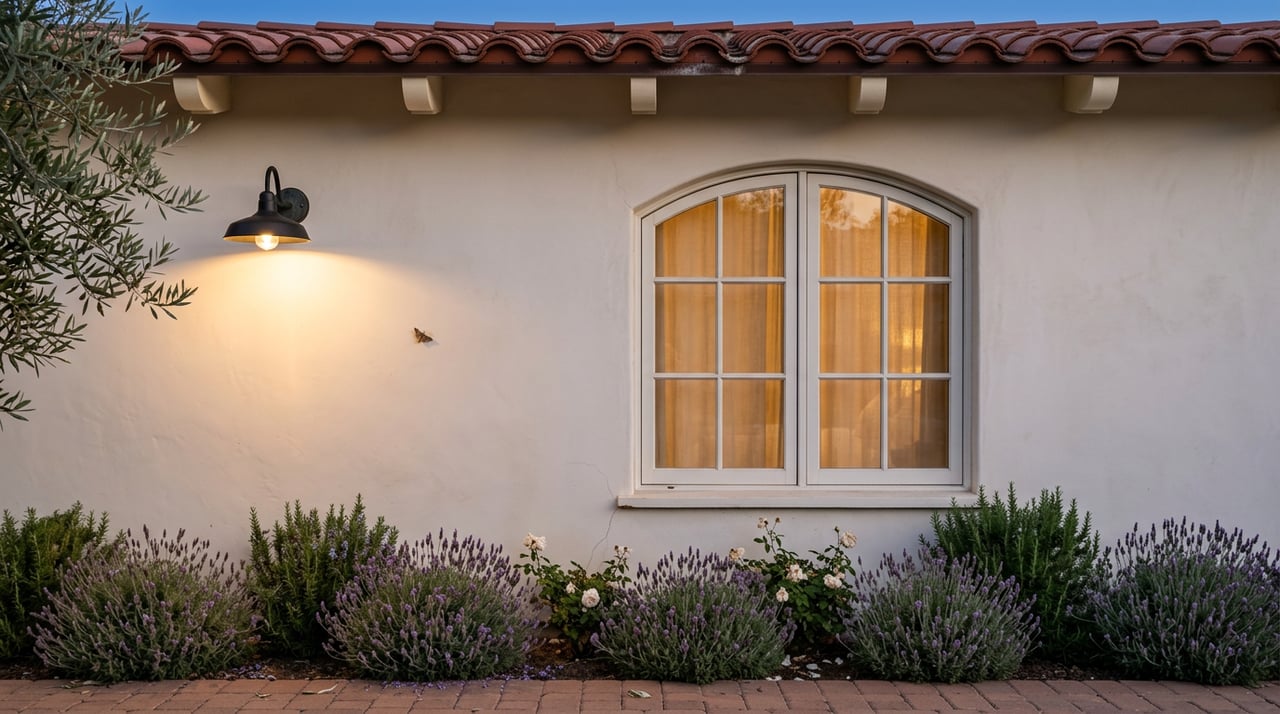
The Alameda's Second Saturday Is How Rose Garden Actually Uses Its Main Street
Most of the year, The Alameda behaves like what the state calls it: Route 82, a commuter conduit between Santa Clara and Diridon. Once a month, it behaves like something else. On the second Saturday, the same corridor that residents drive through on weekday mornings turns into the closest thing Rose Garden has to a downtown, and the neighbors who get the most out of it are the ones who know which businesses lean into the evening and which ones already closed at four.
This post is for people who already live between Naglee and Race Street and want to stop treating The Alameda like a highway with restaurants on it. The rhythm is monthly, not seasonal, and the rhythm is the point.
The Alameda Business Association runs a monthly live-music and arts program on the corridor, anchored by a member network that includes local restaurants such as Luna Mexican Restaurant, Zona Rosa, and Crema Coffee Roasting, breweries like Flood Craft, plus wine tasting, and is home to over 50 artists with monthly live music and arts events on Second Saturday. That is the whole scaffold. There is no ticket, no map handed out at a booth. The scale is small enough that residents who show up in walking shoes will hit most of it inside an hour.
The reason it matters is not the art. It is that once a month the corridor gives you a socially acceptable reason to walk past six businesses in a row instead of parking in front of one.
Half of The Alameda's identity is a morning identity, and if you treat Second Saturday like a purely evening event you will miss the businesses that anchor the corridor before noon.
Sequence these before the arts program starts and Second Saturday reads as a full day rather than a two-hour bar crawl. Sequence them after and half of them are already closed.
The corridor's evening identity concentrates in a walkable stretch that a resident can cover between roughly Naglee and Julian without moving a car. The concentration is dense enough to be worth naming precisely:
| Anchor | Address | Role |
|---|---|---|
| Luna Mexican Kitchen | 1495 The Alameda | Farm-to-table Mexican, Michelin Bib Gourmand |
| Zona Rosa | 1411 The Alameda | Sit-down Mexican with a brunch program |
| Hop & Vine | on The Alameda | Wine bar and light bites for happy hour |
| Floodcraft Brewing Co. | on The Alameda | Craft beer and cider, laid-back |
| Tee Nee Thai | on The Alameda | Thai, spice-forward |
Luna's status is not a marketing line. Luna Mexican Kitchen boasts a Michelin Bib Gourmand, and a stroll further down the street reaches Zona Rosa. Zona Rosa's own hours confirm the evening range: 1411 The Alameda, San Jose, open Tues-Thurs 10:30 AM–9 PM and Fri-Sun 10:30 AM–9:30 PM with brunch served daily. Floodcraft, Hop & Vine, and Tee Nee Thai fill out the corridor between the two with Tee Nee Thai for something spicier, Hop & Vine for happy-hour light bites, and Floodcraft Brewing Company for a pint of craft beer.
The useful takeaway for a resident: you do not have to choose. Luna at seven, Floodcraft or Hop & Vine at nine, back on foot before ten. That is the shape of the night the corridor was built for and the shape most drive-through diners miss.
Second Saturday is monthly. The neighborhood's civic institutions run on their own schedule, and knowing what they do keeps the corridor useful even in the eleven months of the year that are not organized around an art walk.
The Municipal Rose Garden is the obvious one, and its scale is worth stating precisely. San José's 5.5-acre Municipal Rose Garden is one of the most attractive of its kind in the world and features over 4,000 rose shrubs with 189 varieties represented. Hours are 8 a.m. to an hour after sunset, which is longer than most residents assume. A late-summer walk after dinner on Naglee is a real option.
Rosicrucian Park sits across from it. The Rosicrucian Egyptian Museum is architecturally inspired by the Temple of Amon at Karnak and houses the largest collection of Egyptian artifacts on exhibit in western North America. This is not a first-visit stop for people who live three blocks away. It is a rainy-Saturday stop, and it works better in that role than most residents give it credit for.
The Rose Garden Branch Library at 1580 Naglee Avenue runs adult and family programming through the calendar year and shows up as a partner in most neighborhood-association event lists. And in June 2026, Opera San José brought a full outdoor concert to the garden itself: Opera in the Rose Garden, a free outdoor concert on Saturday, June 20, 2026, at the Municipal Rose Garden, presented by Opera San José with the OSJ Orchestra performing selections from Die Fledermaus, Pagliacci, Rigoletto, Carmen, and The Pearl Fishers. That kind of programming is not a one-off. It is the pattern that residents plan around if they know it exists.
If you have not tried this yet, here is the sequence that uses the corridor honestly rather than as a checklist:
This is not a tourist itinerary. It is a resident-scale day that happens to overlap with the one Saturday a month the corridor is programmed for you.
The reason to treat Second Saturday as a hinge, rather than one event among many, is that it is the only public rhythm on The Alameda that repeats often enough to become a habit. The Rose Garden's own bloom peaks and troughs are seasonal. Opera in the Rose Garden happens once. Halloween on the residential streets happens once. Second Saturday happens twelve times a year, and that frequency is what lets a resident treat the corridor as a Main Street rather than as a set of individual destinations.
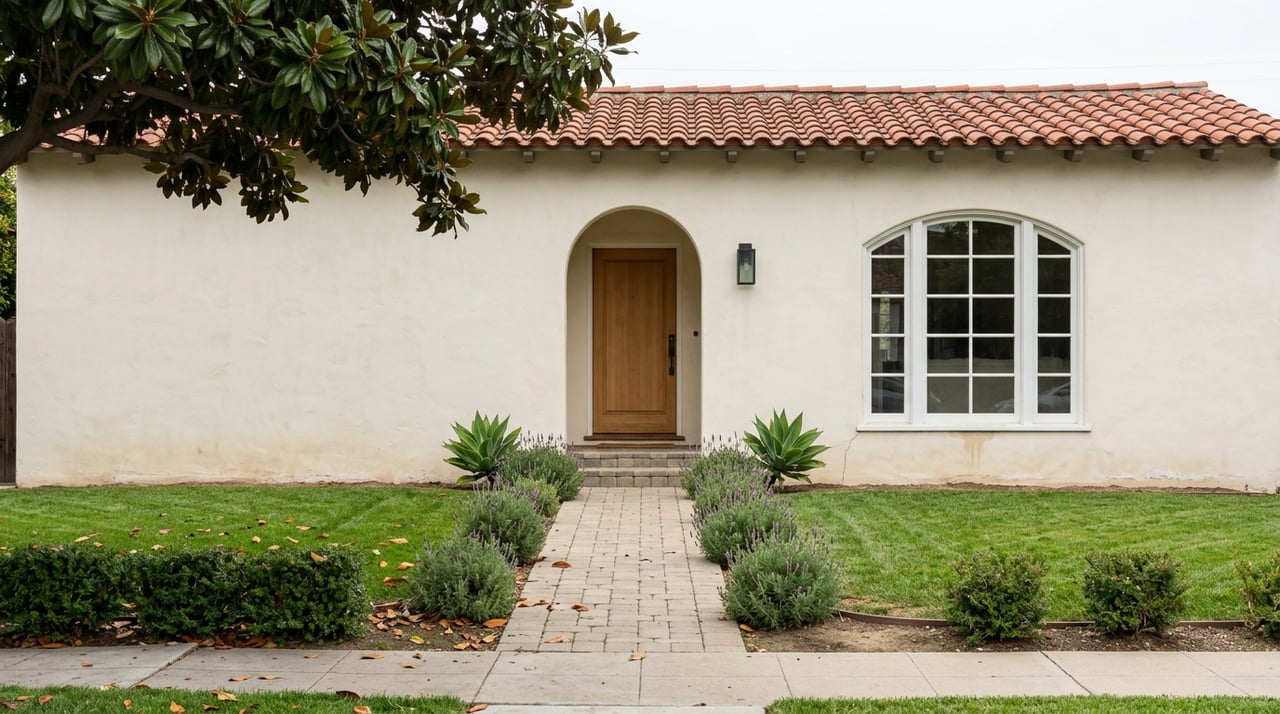
Rose Garden's real estate story is the same story told at a different scale. This is a historic residence park and neighborhood in the greater Rose Garden district near Downtown San Jose and The Alameda, developed beginning in 1907 by Lewis E. Hanchett on the site of the Agricultural Park amusement and exhibition grounds west of The Alameda. The streets were laid out with electric streetlights, streetcar service, and a modern sewer system, with streets designed by John McLaren, supervisor and designer of Golden Gate Park in San Francisco, who located the utility poles in backyards to keep the sidewalks clear. That was the point of the original design: to make the sidewalks the thing. Second Saturday is the closest present-day expression of that idea, and residents who use it that way tend to feel more strongly about staying.
The corridor rewards habit over intention. Twelve Saturdays a year is enough to build one.
If you own a home in Rose Garden or Shasta Hanchett Park and want to talk about what your block is doing in the current market, or you are thinking about your next move within the neighborhood, Andy Sweat and the SweatBros team live in these micro-markets full time. Get your instant home valuation and we will follow up with a read specific to your street.
Stay up to date on the latest real estate trends.
Work with Andy Sweat and gain a real partner in your real estate journey. Andy takes the time to understand your goals, your concerns, and the story behind your move. He believes real estate is about people first, and property second. Whether buying or selling, Andy guides every step with care, clarity, and confidence.

ANDY SWEAT | CA DRE# 01974462
16780 Lark Ave Los Gatos, CA 95032