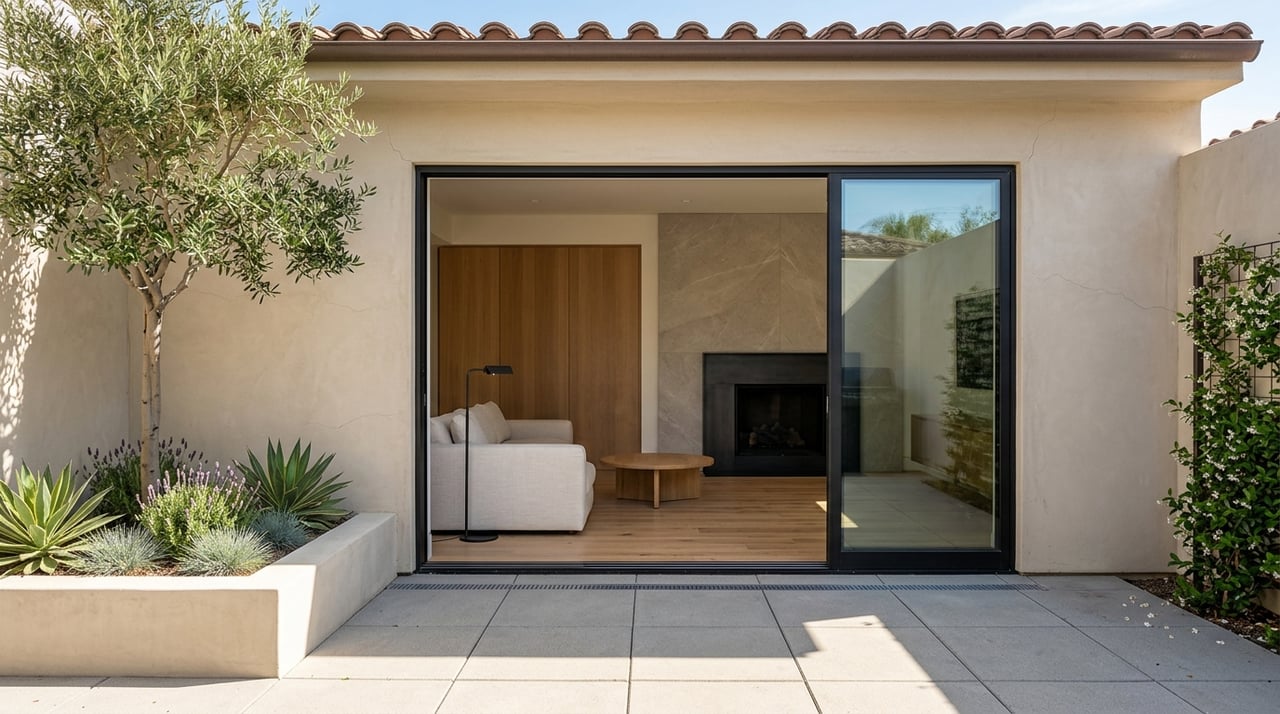
San Jose Home Selling Timeline: Steps for a Smooth Sale
Selling a home in San Jose can move faster than many sellers expect. When homes are going pending in about 13 days in today’s market, the biggest mistakes often happen before your listing ever goes live. If you want a smoother sale, stronger buyer confidence, and fewer last-minute surprises, it helps to understand the full timeline from prep to close. Let’s dive in.
San Jose remains a relatively fast-moving market. Redfin’s May 2026 data shows a median sale price of $1,469,121 and a median 13 days on market, while the City of San José’s Q4 2025 housing report showed a $1.68 million median single-family price and 16 average days on market.
For you as a seller, that pace changes the strategy. It means the best time to handle repairs, disclosures, staging, photography, and document collection is before the home hits the market, not during launch week.
One of the first steps in your selling timeline is getting your disclosure package in order. For most California resales of one to four residential units, a Transfer Disclosure Statement, or TDS, is required and must be provided as soon as practicable and before title transfers.
Timing matters here. If a required disclosure is delivered after your offer is accepted, the buyer generally gets a short window to cancel, which is three days after hand delivery or five days after mailing.
California sellers also need a Natural Hazard Disclosure Statement. This covers whether the property is in certain mapped hazard zones, such as flood, dam inundation, very high fire hazard severity, state responsibility areas, earthquake fault zones, and seismic hazard zones.
Even if you use a third-party company to help prepare the report, you still have a duty to make sure it is delivered before title transfers. That is one more reason experienced sellers build their disclosure file early.
If your home was built before 1978, federal lead-based paint disclosure rules may apply. Sellers of most homes built before that year must disclose known lead-based paint information before the sale and provide the required lead hazard pamphlet.
Buyers of covered homes must also be given a 10-day opportunity to inspect for lead-based paint hazards unless the parties agree otherwise in writing. If your home is older, this should be part of your prep timeline from day one.
Before listing, you should also be ready to give escrow basic property details. That can include your mortgage lender name, loan number, property tax information, rental information if it applies, and HOA information if the home is in a common-interest development.
If a pest or termite report is required by the purchase contract or lender, it must be delivered before title transfers. That is why many sellers choose to organize records and reports well before they review offers.
If you are selling a condo or townhome in San Jose, plan for more paperwork. California Civil Code section 4525 requires sellers in common-interest developments to provide governing documents, financial documents, assessment information, unresolved violation notices, and the most recent inspection report required under Section 5551.
The association has 10 days after a written request to provide those documents under Section 4530. In real terms, HOA paperwork is one of the most common delays in attached-home sales, so it is smart to request it early.
Once your home is active, the market may move quickly. Redfin reports that San Jose homes receive about three offers on average and go pending in around 13 days, with some homes moving even faster.
That means launch week is not the time to finish unfinished prep. It is the time to manage showings, respond to buyer questions, and compare offer terms from a position of strength.
In a market like San Jose, presentation still matters even when demand is strong. Clean marketing, strong photography, and a polished listing rollout can help buyers engage quickly and understand the home’s value.
This is where planning pays off. When the home is fully prepared before launch, you can focus on buyer response and negotiation instead of scrambling to catch up.
The highest offer is not always the strongest offer. When you review offers, you also want to weigh timing, financing strength, contingency terms, requested credits, and how prepared the buyer appears to be.
Because San Jose can move fast, clear disclosures and organized property information help buyers write with more confidence. That can improve your leverage when negotiating final terms.
In California, escrow begins after the buyer and seller agree to the sale terms. The timeline is driven by the contract and escrow instructions rather than by a fixed statewide calendar.
A typical escrow is often 30 days or more after acceptance. During that time, the home is usually inspected and appraised, and title is searched for liens.
Once you are in escrow, the buyer’s due-diligence period usually begins right away. This is the stage when inspections, appraisal, title review, and lender underwriting typically happen.
The actual closing date is set by the purchase contract and escrow instructions. Even in a strong market, this stage can slow down if signatures are missing, title issues appear, or the buyer’s loan takes longer than expected.
Most San Jose sellers benefit from thinking about risk points early. Based on the California escrow process and local transaction patterns, the most common timing issues include:
A smooth escrow usually comes down to preparation, communication, and quick response times.
Shortly before closing, the buyer usually completes a final walk-through. This is the buyer’s last chance to confirm that the property is in the expected condition before funding and recording.
If agreed repairs are unfinished or the home condition has changed, that can create friction right at the finish line. For that reason, it is wise to resolve outstanding items before closing week if possible.
In California, closing is complete when escrow conditions are satisfied, the buyer’s loan funds if financing is involved, and the documents are recorded. Recording usually follows funding by the next business day.
Consumer materials from the California Department of Real Estate also note that the deed is typically recorded at the county recorder’s office within one to three days after title is issued and escrow closes. After that, the escrow officer prepares the final closing statement and disburses funds and charges.
San Jose sellers should plan ahead for transfer taxes. According to Santa Clara County, the county documentary transfer tax is $0.55 per $500 of value, and properties in San Jose are also subject to a city conveyance tax of $1.65 per $500. The county collects both at recording.
There is also the City of San José Measure E transfer tax schedule, effective July 1, 2025. It exempts transfers up to $2.3 million, then applies 0.75% from $2.3 million to $5 million, 1.0% from $5 million to $10 million, and 1.5% above $10 million.
At current median pricing, many sales may fall below that Measure E threshold, but higher-end homes can still owe the city tax. This is one of the most important closing-cost items to review early if your home may sell above that level.
Another item to check before closing is California real estate withholding. Franchise Tax Board Publication 1016 says withholding can apply when California property is sold unless an exemption applies.
If you qualify for an exemption, you must provide a completed Form 593 before closing to claim it. One possible exemption may apply if you owned and used the home as your principal residence for at least two of the previous five years.
If you want a practical way to think about the process, here is the typical sequence:
In San Jose, the market can move quickly once your home is live. The real advantage comes from doing the legal, financial, and presentation work before buyers ever step through the door.
If you are thinking about selling, the smartest first move is to build a timeline around your home, your price point, and your likely buyer pool. For a tailored strategy and a clear plan from prep through closing, connect with Andy Sweat.
Stay up to date on the latest real estate trends.
Work with Andy Sweat and gain a real partner in your real estate journey. Andy takes the time to understand your goals, your concerns, and the story behind your move. He believes real estate is about people first, and property second. Whether buying or selling, Andy guides every step with care, clarity, and confidence.

ANDY SWEAT | CA DRE# 01974462
16780 Lark Ave Los Gatos, CA 95032