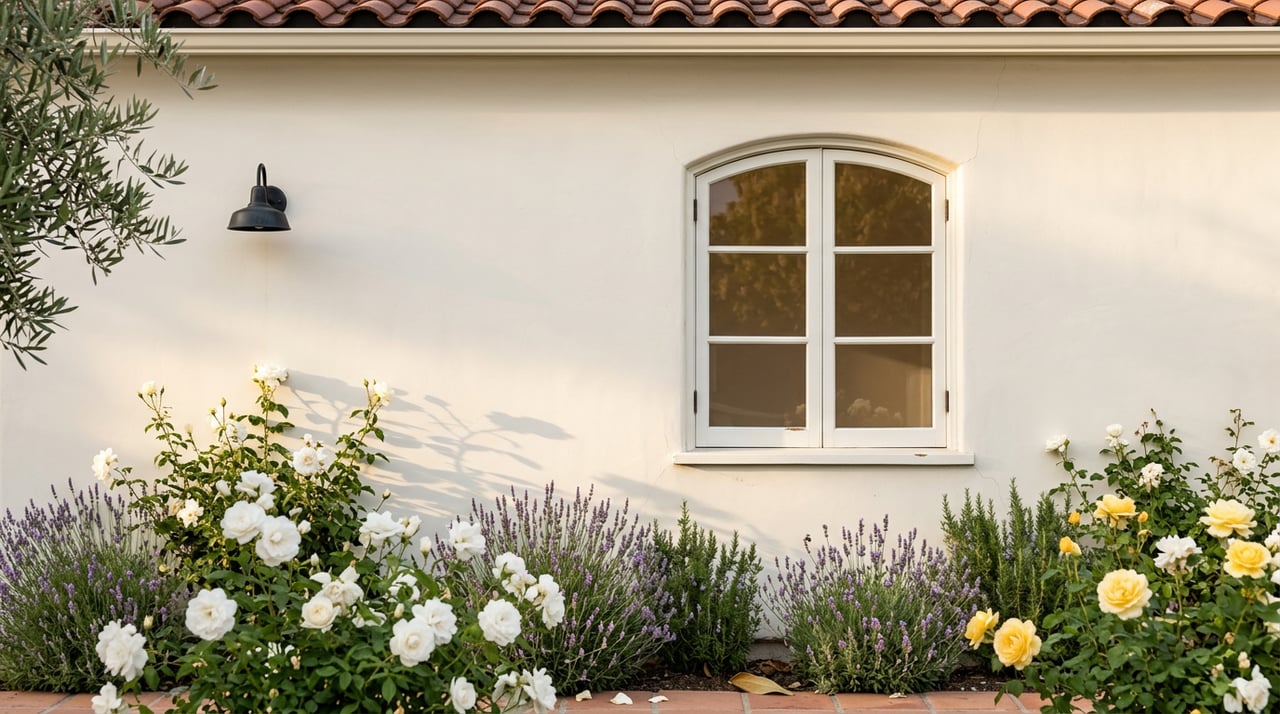
Summer In The Rose Garden Neighborhood: A Resident's Field Guide
Most people you meet at the Municipal Rose Garden in mid-May are not from here. They come once, photograph the peak bloom, and post the location tag. The people who actually live between Naglee and The Alameda tend to skip that month.
That is not a complaint. It is the thesis of this guide. The Rose Garden neighborhood works differently in summer than the postcards suggest. The five and a half acres at the center of it keep producing color long after the crowd thins, the Alameda corridor does most of the heavy lifting for weeknight dinners, and a handful of institutions inside a ten-minute walk quietly stay open through the heat. If you already own the house, the season is longer than the guidebooks give it credit for.
The line you read on every travel site is that May is peak. That is true, and it is also incomplete. The city's own park page notes that the garden holds more than 4,000 colorful roses in bloom from April through November, with the peak in May when the blossoms are at their most aromatic. Read past the peak and you get the residents' garden: roughly seven months of usable color, most of it outside the Instagram window.
| Window | What's happening | Crowd level |
|---|---|---|
| April–early May | Buildup to peak | Rising |
| May | Peak bloom, photographers everywhere | Heaviest |
| June–August | Steady re-bloom, warmer scent, longer light | Light on weekdays |
| September–November | Later flushes, cooler evenings | Very light |
The practical upside for a resident: the garden is most vibrant from May to June, but for fewer crowds, aim for weekdays, since weekends during peak bloom can get busy with visitors and private events. A Tuesday walk in late July gives you most of the color and almost none of the traffic.
A few operating details worth committing to memory if you live nearby. Hours run 8 a.m. to an hour after sunset, which in July is close to a 14-hour window. Dogs are not allowed in the garden, which catches new neighbors off guard. And a two-hour photo permit fee applies at the Municipal Rose Garden, the Japanese Friendship Garden, and other city parks if you are planning anything resembling a shoot.
The garden looks the way it does because a specific group of people show up with clippers. Friends of the San Jose Rose Garden runs a Summer Rose Care Seminar and volunteer day at the Municipal Rose Garden, covering summer clean-up, cutting spent blooms, weeding, and raking. Bring gloves and garden clippers.
Two reasons this matters to a resident. First, if you own a home in the district, you have almost certainly inherited roses in the yard, and the summer clean-up technique used at the Municipal Garden is the same technique that keeps your own bushes flowering into November. Second, the volunteer roster is one of the more organic ways to meet neighbors who have lived here for decades. That is a harder social door to open than the average block party.
The garden itself has been at this a long time. The San José City Council set aside the 5.5 acres at Naglee and Dana in November 1927, groundbreaking took place in April 1931, and the Rose Garden was officially dedicated in April 1937. The volunteer culture is roughly as old as the plantings.
The neighborhood's restaurant strip is not the garden. It is The Alameda, the historic corridor that runs east from the garden toward downtown. Two hundred years ago, The Alameda was a transportation hub connecting the Pueblos of downtown San Jose to the Mission Santa Clara de Asis. Today, the useful mental model is that it is your dinner block.
A short list of what actually holds up on a Tuesday night, all within a walkable stretch:
The reason to know all five by name rather than just the first one: Luna's Bib Gourmand status has made the wait less predictable on weekends. Locals have a bench of three or four backups on the same street. Visitors do not.
The Rose Garden district is dense with institutions in a way the average San Jose neighborhood is not. From a house near Naglee, most of these are a walk, not a drive.
Rosicrucian Park. The district holds the Rosicrucian Egyptian Museum inside Rosicrucian Park, along with the historic Hoover Theater. The museum has one of the largest Egyptian collections on the West Coast; the Hoover programs community theater and film.
Japanese Friendship Garden. Different park, different city sister-city relationship, and worth the crosstown trip for the koi ponds. The photo permit rules there mirror the Municipal Rose Garden.
The Rose Garden farmers market. A year-round market anchors weekend produce runs for the neighborhood, which means you do not have to drive to Santana Row for a heirloom tomato in August.
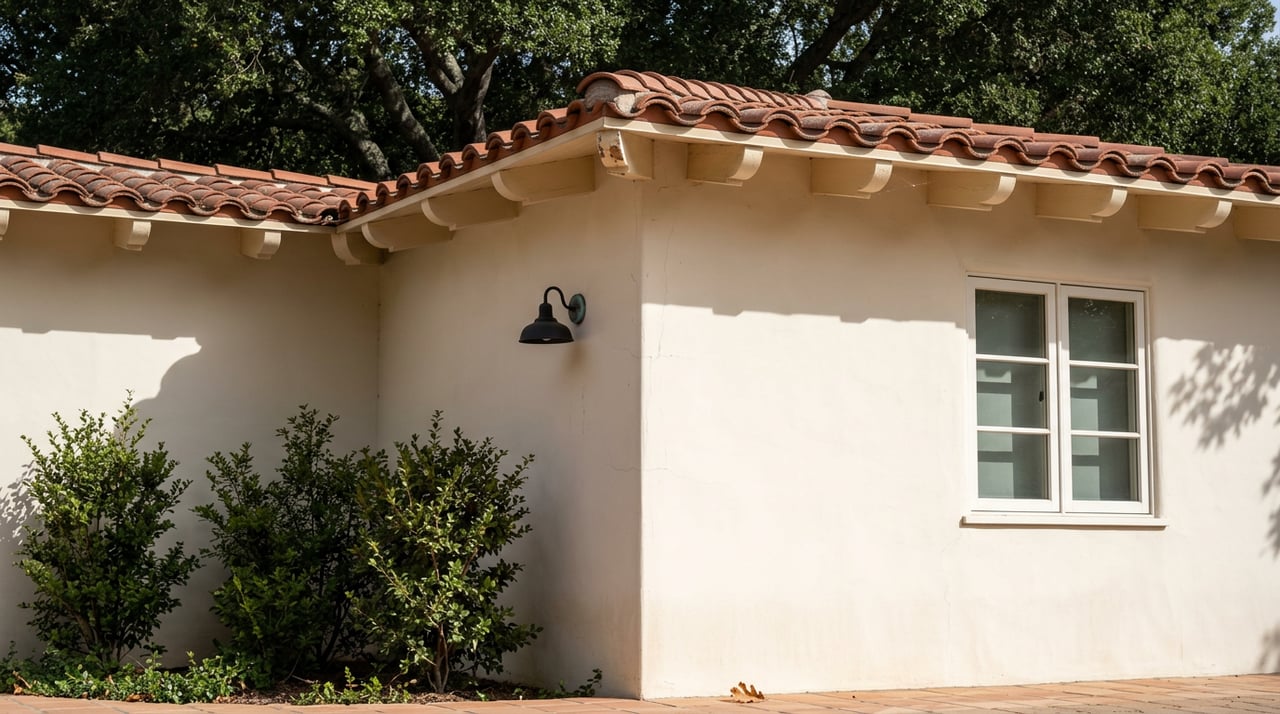
Victorian housing stock. If you have lived here long enough to walk without looking up, look up. Several existing Victorian houses in the neighborhood date from the 1860s and 1870s, especially along Magnolia Street, Hester Street, and Hedding Street. The Hanchett Park section to the east was developed beginning in 1907 by Lewis E. Hanchett with electric streetlights, streetcar service, and streets laid out by John McLaren, the supervisor and designer of Golden Gate Park in San Francisco. Hanchett Park and Hester Park together are a designated Historic Conservation Area bounded by The Alameda and Mariposa, Park, and Magnolia avenues. Summer evenings are the right time to actually notice this.
One Saturday a year, the Rose Garden and Shasta Hanchett blocks stop being residential and become a parade route. The Rose, White & Blue Parade runs on July 4th, and it is not a small event. The present-day parade began in 2008, and the 2023 edition drew over 60,000 attendees.
The route is worth knowing whether you are attending or trying to move your car before dawn. The parade starts near Lincoln High School, winds through the Shasta/Hanchett and Rose Garden neighborhoods along Dana to Naglee to The Alameda, and the festival sits at the corner of Shasta Ave. and The Alameda. Festival attractions in recent years have included Lucha Libre matches by Pro Wrestling Revolution, a kids zone hosted by ArtHouse Studio, games with the Shasta Hanchett Park Neighborhood Association, local vendors, and food trucks. In 2026, BayFC, NBC Bay Area, Telemundo48, and the San Jose Sharks featured sports-themed activations around the festival area, a nod to San Jose's World Cup year.
If July 4th has already passed by the time you read this, the practical takeaway is the same: block off the first Saturday of next July, and if you are within four blocks of the Dana-Naglee-Alameda route, plan to be a pedestrian for the morning.
The Rose Garden's reputation is built on one month of one park. Living here is a longer story. The bloom keeps going through fall, the volunteer culture rewards showing up with clippers, The Alameda has a real dinner bench three names deep, and the district has more walkable institutions per block than almost anywhere else in central San Jose. Treat July as the middle of the season, not the end of it.
If you have been in the neighborhood long enough to have opinions about which block gets the best late-August light or which of the three Alameda taquerias has the shorter Tuesday wait, you already know more about your home's value than any algorithm does. When you are ready to put a number on it, Andy Sweat and the SweatBros team pair a data-led read of the Rose Garden market with the kind of listing presentation the neighborhood's architecture deserves. Get your instant home valuation and we will take the conversation from there.
Stay up to date on the latest real estate trends.
Work with Andy Sweat and gain a real partner in your real estate journey. Andy takes the time to understand your goals, your concerns, and the story behind your move. He believes real estate is about people first, and property second. Whether buying or selling, Andy guides every step with care, clarity, and confidence.

ANDY SWEAT | CA DRE# 01974462
16780 Lark Ave Los Gatos, CA 95032