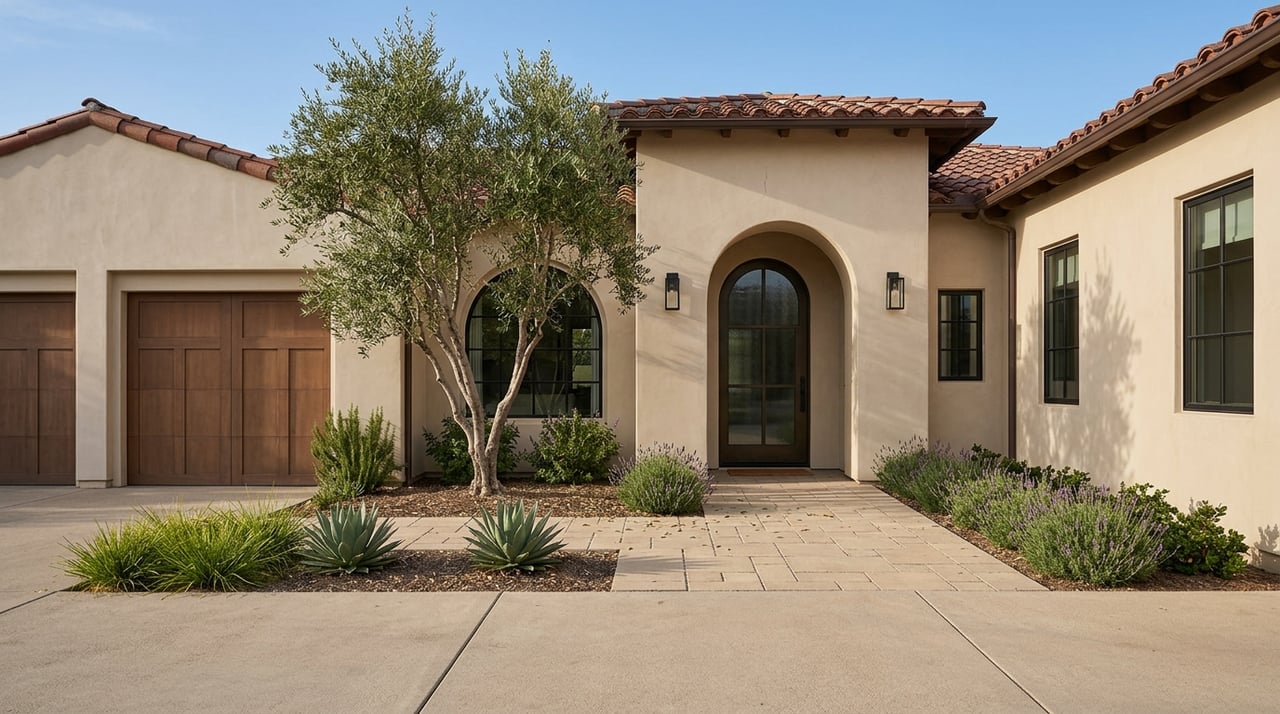
Planning Your Move-Up Purchase From Willow Glen
Thinking about moving up from Willow Glen? In a fast market, the biggest challenge usually is not deciding whether to buy your next home. It is figuring out how to sell, buy, and move without creating unnecessary financial pressure. If you want a clearer plan, better timing, and fewer surprises, this guide will walk you through the key decisions step by step. Let’s dive in.
Willow Glen is a distinct part of San Jose known for tree-lined streets, historic homes, varied architecture, and a strong small-business district along Lincoln Avenue. It is also a market where speed and preparation matter.
Over the three months ending May 2026, Willow Glen’s median sale price was $1,920,854. Homes received 3 offers on average, spent about 10 days on market, and sold at an average of 104.5% of list price, with 68.1% selling above list price. In plain terms, that means your current home may attract strong attention, but your replacement purchase may also require quick, confident action.
For move-up buyers, that creates a balancing act. You want to maximize the sale of your current home while protecting your ability to secure the next one. The right strategy starts with understanding your equity, your tolerance for overlap, and the sequence of each step.
Before you look seriously at your next home, get clear on what your current sale needs to accomplish. The practical question is not just how much your home might sell for. It is how much of the proceeds will actually be available after your mortgage payoff and closing.
When your sale closes, ownership transfers, any mortgages tied to the property are paid off, and you receive the remaining proceeds. If your next purchase depends on those funds, your sale and purchase closings need to be coordinated carefully.
A useful starting point is to estimate three buckets:
For many Willow Glen homeowners, that cushion matters as much as the headline sale price. In a competitive market, even a strong seller can feel squeezed if the next purchase closes before sale proceeds arrive.
This is usually the biggest move-up question. There is no one-size-fits-all answer, but each path comes with tradeoffs.
Selling first usually gives you the cleanest budget. Once your sale closes, you know exactly how much cash you have available and how much home you can buy with confidence.
This approach also reduces uncertainty. You avoid guessing about proceeds, and you lower the risk of carrying two housing payments at once.
The downside is timing. If your replacement home is not ready when your current home closes, you may need temporary housing or a short-term bridge between moves.
Buying first can help you compete for the right home without waiting for your current property to sell. In a fast-moving market, that can be attractive, especially if you find a home that fits your next stage well.
Still, buying first raises the stakes. Financing often becomes more complex, and you need to be comfortable with the risk of carrying both homes for a period of time.
In Willow Glen and nearby markets, where pricing remains high, dual-carry risk deserves serious attention. A move-up plan should work not just on paper, but under real-world timing pressure.
Sometimes the challenge is not price or financing. It is simply that your sale may close before your next home is ready. In that case, a rent-back can be a practical tool.
A rent-back allows you to close the sale of your current home and stay in the property for an agreed period after closing. In California, C.A.R.’s Residential Lease After Sale form is designed for a seller remaining in possession after close of escrow for 30 days or more.
That matters because it turns a stressful handoff into a structured, written occupancy plan. If your main concern is giving yourself a little more runway between transactions, a rent-back may create exactly the breathing room you need.
If the right replacement home needs to close before your current sale does, bridge financing may help fill the gap. This can allow you to access funds before sale proceeds arrive, but it is not a casual decision.
Fannie Mae guidance says a bridge loan can be acceptable if it is not cross-collateralized against the new property and if the lender documents your ability to carry the new home, current home, bridge loan, and other obligations. That means the financial review is about more than qualifying for the next mortgage alone.
If you are exploring this route, compare at least three loan offers. Payment, rate, term, and closing costs can vary, and the right structure depends on how long you expect the overlap to last.
A move-up purchase in Santa Clara County can bring a tax surprise if you are not prepared. In California, a change in ownership generally triggers a supplemental assessment.
That supplemental tax bill is separate from the annual property tax bill. It is also sent to the property owner rather than the lender, which means it can feel unexpected if you assume everything is built into your monthly payment.
If a property is purchased and resold quickly, the county notes that supplemental bills may be prorated depending on whether the first supplemental assessment was already issued. For many move-up households, this is a good reminder to leave room in your post-closing budget.
Proposition 19 does not automatically apply to every move-up homeowner. It is relevant only for qualifying homeowners, including those age 55 or older, severely and permanently disabled homeowners, and certain disaster victims.
If you qualify, the timing matters. The county assessor and Board of Equalization guidance say the replacement home must be purchased or completed within two years of the original sale.
There is also an important sequencing detail. If you buy the replacement home first, you may pay taxes based on the full value until your original home sells. For qualifying homeowners, that makes the order of transactions worth reviewing early.
A move-up plan should include more than your current home value. It should also account for what you may face in the market you are trying to enter.
In May 2026, San Jose single-family homes had a median price of $1,652,500 and 20 days on market. Nearby single-family medians were $1.9 million in Santa Clara, $2.775 million in Sunnyvale, and $3.4375 million in Los Gatos.
If you are moving from Willow Glen into another South Bay market, your equity may go far in one area and feel tighter in another. Looking at both sides of the move at the same time helps you make a decision based on the full picture, not just your sale price.
When the market moves quickly, clarity beats complexity. A strong move-up plan usually follows a straightforward sequence.
Start with your probable sale price, then subtract your mortgage payoff and build in a cushion for overlap or temporary housing. This gives you a working number for your next purchase.
If your purchase depends on sale proceeds, confirm how that affects your timing. If you may need bridge financing, compare structures and make sure the monthly carrying costs are comfortable.
Decide whether selling first, buying first, or negotiating a rent-back best matches your finances and risk tolerance. The best answer is the one that keeps you flexible without overextending you.
Do not focus only on down payment and mortgage. Include moving expenses, temporary housing if needed, and any supplemental property tax bill on the replacement home.
With Willow Glen homes moving quickly and many selling above list, preparation matters on both sides. Clear numbers, a defined timeline, and a realistic backup plan can help you move with confidence.
The best move-up purchases usually start long before you write an offer. They begin with a strategy that connects your current equity, your desired timeline, and the realities of the market you want to enter.
If you own in Willow Glen, you may be in a strong position. But a strong position still needs careful execution, especially when homes move fast and the next purchase may depend on your sale proceeds.
If you want help mapping out the right sequence for your sale and purchase, connect with Andy Sweat. You will get practical, data-driven guidance tailored to your move-up goals in Willow Glen and the broader South Bay.
Stay up to date on the latest real estate trends.

Work with Andy Sweat and gain a real partner in your real estate journey. Andy takes the time to understand your goals, your concerns, and the story behind your move. He believes real estate is about people first, and property second. Whether buying or selling, Andy guides every step with care, clarity, and confidence.

ANDY SWEAT | CA DRE# 01974462
16780 Lark Ave Los Gatos, CA 95032