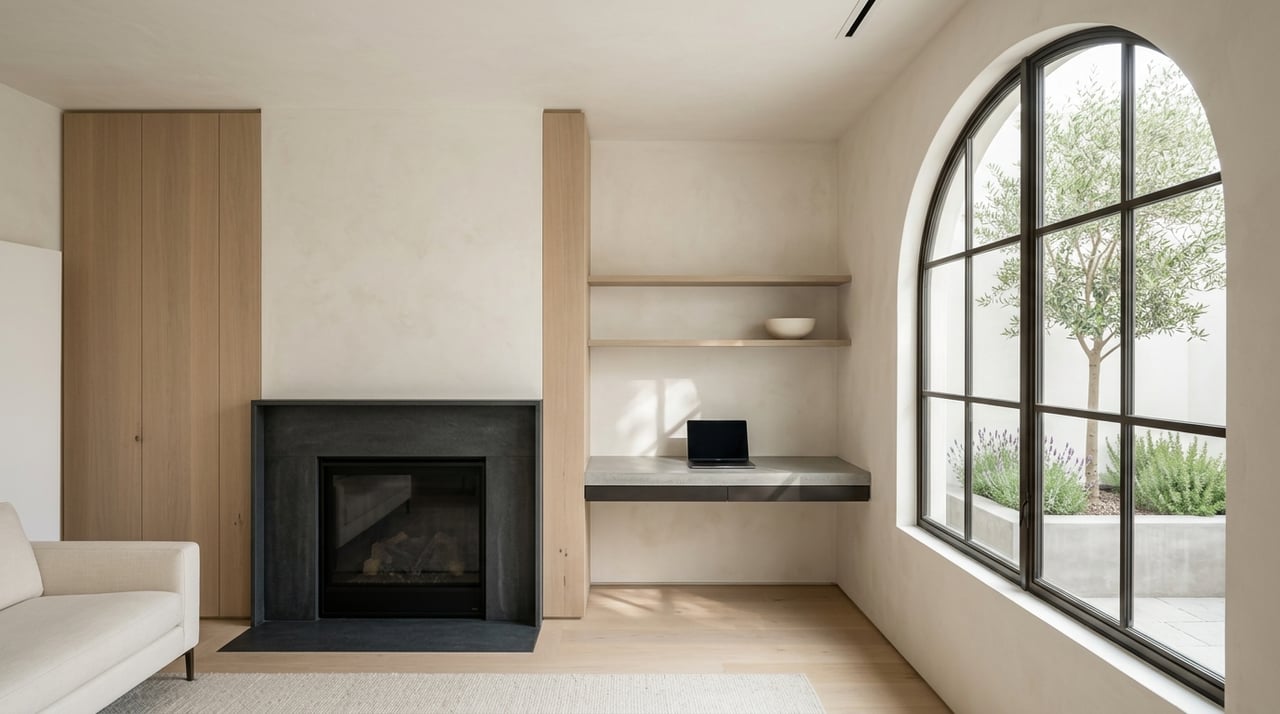
San Jose Living Guide For Remote Tech Workers
Need a home that works as hard as you do? If you are a remote or hybrid tech worker, San Jose stands out because it blends serious career access with everyday livability. From transit connections and public Wi-Fi backup options to distinct neighborhood vibes and year-round outdoor space, this guide will help you think through what living in San Jose can actually look like. Let’s dive in.
San Jose remains one of the Bay Area’s core innovation hubs. The city reports roughly 6,000 high-tech businesses within city limits, with about 1 in 5 jobs tied to tech or manufacturing and more than 400,000 workers across its business base. If your work life includes startup calls, product launches, or occasional office days, that concentration still matters.
Even if you work mostly from home, location affects your weekly rhythm. San Jose gives you access to a deep talent base, strong regional connections, and the flexibility to move between home, office, airport, and public workspaces without reinventing your routine each week. That is a practical advantage for hybrid schedules.
When you do need to travel, San Jose is well connected. San Jose Diridon links to VTA light rail, bus service, ACE, Capitol Corridor, Amtrak Coast Starlight, and the Highway 17 Express. Mineta San Jose International Airport is also about 3 miles from downtown, which can make business trips much easier to manage.
That regional access can shape where you want to live. If you expect office visits, client meetings, or regular flights, being near a transit corridor can save time and reduce stress. Census data lists the city’s mean travel time to work at 27.3 minutes, which gives you a useful baseline for in-person days.
For remote work, your home is more than a place to sleep. It is also your office, meeting room, and focus zone. San Jose performs well on digital access overall, with 95.4% of households reporting a broadband subscription and 97.7% reporting a computer, according to Census QuickFacts.
Still, strong citywide numbers do not guarantee the same experience on every block or in every building. The city’s broadband strategy estimates about 41,000 households are unconnected or under-connected, and another 25,500 are digitally disadvantaged. That is why it makes sense to prioritize reliable wired internet, a workable office area, and a backup place to work if needed.
When you compare homes in San Jose, keep your workday in mind. A beautiful space is helpful, but daily function matters more.
Look for features like:
One of San Jose’s underrated advantages is that it offers fallback options when home internet is not ideal. The city provides free high-speed Wi-Fi 24/7 in downtown corridors, at all library locations, and at select community centers. That can be useful during outages, construction, or days when you simply need a change of scenery.
San José Public Library expands those options further with 24/7 Wi-Fi in and around branch buildings, King Library, and the SJSU campus. The library system also offers study rooms, community rooms, and borrowable devices like Chromebooks, iPads, and laptops. Tech Hubs powered by SJ Access add free devices, internet access, and digital-skills support.
San Jose offers access and convenience, but that comes with a high housing-cost backdrop. Census QuickFacts lists a median owner-occupied home value of $1,233,200, median monthly owner costs with a mortgage above $4,000, and median gross rent of $2,669. Those numbers alone tell you this is a market where planning matters.
Recent market snapshots remain elevated as well. Redfin reports a rolling median sale price of $1.459 million in April 2026, while Zillow shows an average two-bedroom rent of $3,174 per month. Since those sources track different metrics, it is best to treat them as separate indicators rather than direct comparisons.
For buyers and renters alike, the real question is not just price. It is whether the home supports your routine, flexibility, and long-term goals. In a market like San Jose, getting clear on that early can help you make sharper decisions.
One of San Jose’s biggest strengths is variety. Different neighborhoods support different kinds of workdays, errands, and downtime. That means your best fit depends less on hype and more on how you want your week to feel.
If you want a car-light routine, Downtown San Jose, Diridon, and SoFA are among the strongest options. The downtown guide highlights more than 200 restaurants, cafés, bars, and arts and entertainment venues in a highly walkable setting. It is also at the center of the area’s transit network.
This part of the city makes sense if you value flexibility. You can work from home, step out for coffee, catch transit, and still stay close to parks, dining, and public Wi-Fi corridors. For many remote professionals, that mix supports a more social and less isolated routine.
Japantown offers an easily walkable setting with light rail access and a strong local identity. The neighborhood is known for family-owned shops, restaurants, and a long-standing community presence. It is also one of the last three historic Japantowns in the United States.
If you want a neighborhood with character and a steady daily rhythm, Japantown is worth considering. It can be a good fit for buyers or renters who want nearby dining and errands in a setting that feels established and human-scaled.
Willow Glen is often a fit for people who want a more residential feel. The neighborhood business association describes tree-lined streets, sidewalk cafés, boutiques, and a small-town atmosphere, along with convenient parking in street spaces and public lots.
For remote workers, that can translate into a calmer home base. You still have local places to grab coffee, meet a friend, or run errands, but the pace can feel more neighborhood-focused than central-city focused.
Rose Garden brings together historic character and green space. Visit San Jose describes it as one of the city’s oldest neighborhoods, with architecturally designed homes dating back to the 1800s. The San Jose Municipal Rose Garden itself spans 5.5 acres with more than 3,500 rose shrubs and nearly 200 varieties.
If your ideal routine includes attractive streetscapes and easy park access, this area may appeal to you. It is a strong example of how San Jose can offer both urban convenience and a more visual, residential setting.
North San Jose is the most directly tech-oriented example. Visit San Jose notes that major companies like Samsung, Cisco, and PayPal have a presence there, and the city says North San Jose includes more than 81,000 jobs across 5,700 acres with access to Caltrain, VTA, ACE/Amtrak, bikeways, major freeways, and future BART stations.
If you expect more in-person work over time, this area is especially practical. It supports easier transitions between home and office while keeping you connected to the broader region.
Santana Row is a useful option if you want a live-work-play environment. The downtown guide points to a dense mix of shopping, dining, nightlife, spas, salons, brand-name shops, and local boutiques.
For some remote professionals, that concentration adds convenience and energy to the week. If you like being able to step outside for meals, meetings, or errands without much planning, this area may fit your lifestyle.
Remote work is not just about internet speed and desk space. It is also about how easy it is to reset between meetings and after long workdays. San Jose has more than 200 parks and roughly 60-plus miles of trails, which gives you a lot of options without leaving the city.
Guadalupe River Park runs through downtown as a three-mile green ribbon, while city park resources also point to destinations like Almaden Lake, Alum Rock, and Kelley Park. Alum Rock Park, founded in 1872, is one of California’s oldest municipal parks. These spaces can make it easier to build walks, runs, and outdoor breaks into your routine.
The city also promotes about 300 days of sunshine each year, along with access to the Diablo and Santa Cruz mountain ranges. That helps explain why outdoor time is such a normal part of life here. For remote workers, that quality-of-life piece is more important than it sounds.
A strong remote-work city needs more than homes and offices. It also needs places where you can take a laptop, meet a colleague, or break up the day. San Jose delivers that in a practical way.
Downtown alone has more than 200 restaurants, cafés, bars, and arts and entertainment venues. Willow Glen, Japantown, Rose Garden, and Santana Row each add their own mix of dining and shopping. That gives you several ways to shape your day without relying on the same few spots every week.
The best move is to match your housing search to your real routine, not an idealized version of it. Think about how often you commute, whether you need airport access, how important walkability is, and what kind of backup workspace you want nearby.
It also helps to be honest about budget and tradeoffs. In San Jose, price, location, and home-office functionality often pull against one another. A data-driven search can help you focus on the combination that supports your work life and personal life best.
San Jose stands out because it does not force a single lifestyle. You can choose a more urban, transit-linked setup, a neighborhood-oriented residential base, or a location close to major job centers. For remote and hybrid tech workers, that flexibility is a big part of the appeal.
If you are weighing a move, planning a relocation, or trying to narrow down the right neighborhood, Andy Sweat can help you make a smart, local, numbers-backed decision.
Stay up to date on the latest real estate trends.
Work with Andy Sweat and gain a real partner in your real estate journey. Andy takes the time to understand your goals, your concerns, and the story behind your move. He believes real estate is about people first, and property second. Whether buying or selling, Andy guides every step with care, clarity, and confidence.

ANDY SWEAT | CA DRE# 01974462
16780 Lark Ave Los Gatos, CA 95032