San Jose Condo vs House: How to Choose the Right Fit
Buying in San Jose often starts with one big question: should you go for a condo or hold out for a house? If you are trying to balance budget, monthly costs, lifestyle, and long-term plans, that choice can feel bigger than the floor plan itself. The good news is that the current market gives you some useful clues about how each option fits different needs. Let’s break it down.
In a market as expensive and competitive as San Jose, property type can shape your options right away. Redfin reports a citywide median sale price of $1,459,246 in April 2026, with homes averaging 11 days on market and about 3 offers.
That same snapshot shows a wide spread between property types. Current Redfin inventory shows 360 condos for sale at a median listing price of $675K and 170 townhouses for sale at a median listing price of $975K. MLSListings’ April 2026 Santa Clara County summaries show common-interest homes at a $1.1M median sale price and single-family homes at $2.1M.
The practical takeaway is simple. In today’s market, condos are usually the lowest entry point, townhomes often sit in the middle, and detached houses tend to be the most expensive option.
If your top goal is getting into the market at the lowest possible price point, a condo may deserve a close look. With a median listing price of $675K in current San Jose inventory, condos represent the most affordable attached-housing option in this data set.
Condos are also not limited to one part of the city. Current inventory appears across areas such as Cambrian, Silver Creek, South San Jose, Santa Teresa, North San Jose, Evergreen, Almaden Valley, Rose Garden, Berryessa, and Willow Glen.
That matters because a condo search in San Jose is not just a downtown conversation. You may find options in several parts of the city, depending on your commute, budget, and preferred home style.
A condo may be a strong fit if you want:
The tradeoff is that condos usually involve the most shared governance. That means HOA rules, dues, and community-wide financial decisions play a bigger role in your ownership experience.
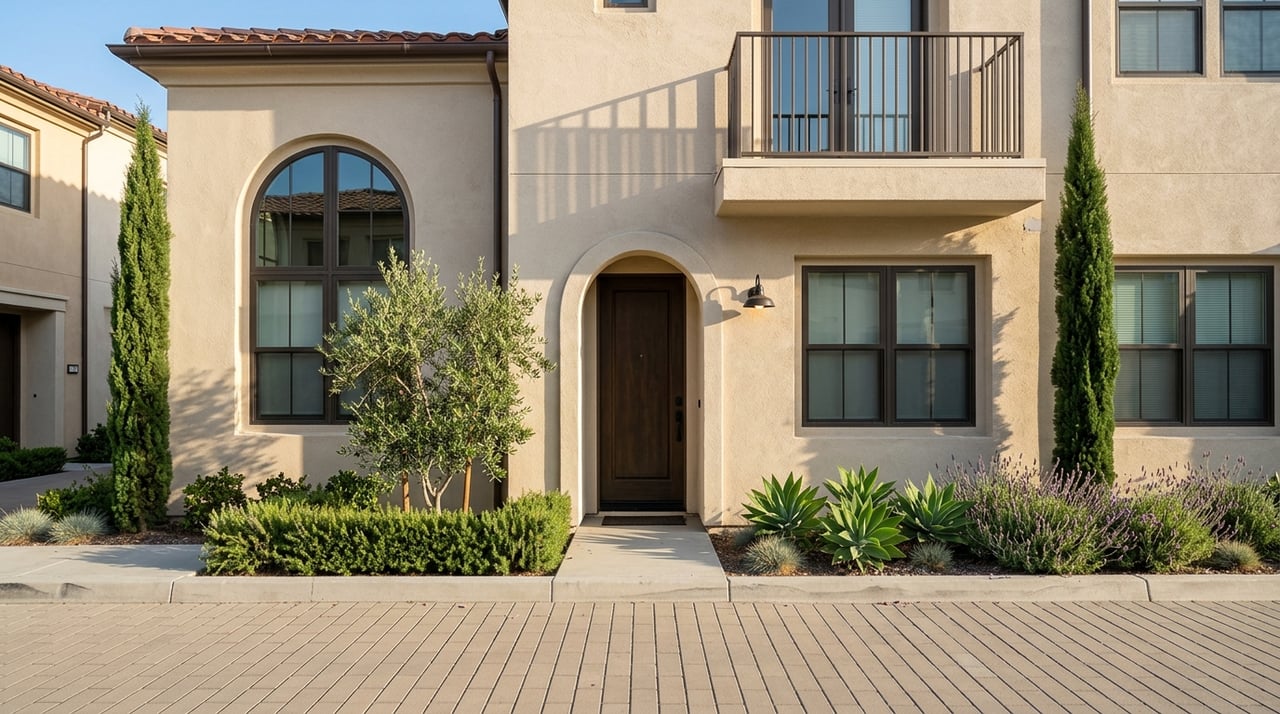
Townhomes often appeal to buyers who want a bit more separation than a condo but are not ready to jump to detached-home pricing. Current Redfin inventory shows 170 townhouses for sale in San Jose at a median listing price of $975K.
That puts townhomes squarely between condos and houses in the current market. For many buyers, that middle ground can feel like the right balance between price, space, and day-to-day maintenance.
This is one of the most important details to understand. According to the California Department of Real Estate, subdivision type is defined by ownership rights, not by exterior style or architectural design.
So a San Jose townhome is not automatically the same legal structure as a detached house with an HOA. A townhome may be a condominium, a planned development, or another form of common-interest ownership. The key is to verify the recorded legal description instead of relying on appearance alone.
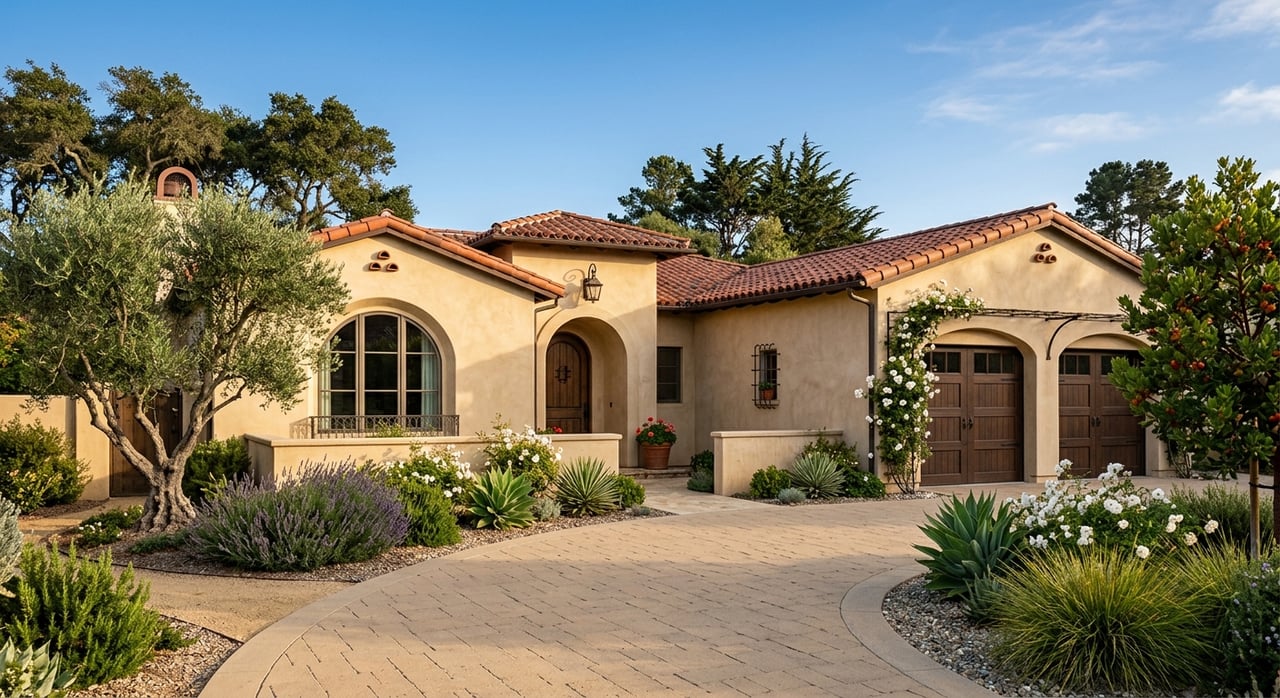
If privacy, space, and control are at the top of your list, a detached house may still be the best fit. The tradeoff is cost. In the current local data, single-family homes sit at the premium end of the market, with the citywide median sale price around $1.46M and Santa Clara County single-family homes selling at a $2.1M median in April 2026.
For many buyers, a house offers the greatest sense of independence. You generally have exclusive ownership of the lot or parcel, rather than sharing common areas through a common-interest development.
That extra control usually comes with more direct maintenance responsibility. Exterior repairs, yard care, and site upkeep tend to fall more fully on you.
A detached home may make more sense if you value:
For some buyers, those benefits justify the higher purchase price and maintenance load. For others, the monthly carrying cost makes attached housing the more practical choice.
When you buy in a common-interest development, the HOA becomes part of daily ownership. The California Department of Real Estate says HOA membership transfers automatically with the property in these communities.
The HOA manages common areas, collects dues and assessments, enforces CC&Rs, and operates through a board of directors. That is why two homes with similar square footage can feel very different once you look beyond the photos.
Before you buy, it is worth understanding the documents that define how the community operates. The DRE advises buyers to review the governing documents because the articles of incorporation, bylaws, CC&Rs, and rules define the HOA’s powers and your obligations as an owner.
Before making a decision on a condo or townhome, pay close attention to:
These documents can tell you a lot about how the community is run and whether future costs may be on the horizon.
The sticker price is only part of the equation. If you are comparing a condo, townhome, and house, your real monthly cost can look very different even when loan amounts are similar.
HOA dues are a major factor. The Consumer Financial Protection Bureau says HOA dues are usually paid directly to the HOA, not through your mortgage servicer, and they can range from a few hundred dollars to more than $1,000 per month.
That means a lower purchase price does not always equal a lower monthly housing cost. In San Jose, where budgets are already stretched, those dues can materially change affordability.
As you weigh your options, compare:
A condo may win on entry price but feel less attractive once dues are added. A house may cost more upfront but offer fewer recurring shared fees.
One reason many buyers like condos and townhomes is reduced direct responsibility for shared exterior areas. But that convenience is only as strong as the HOA’s finances and planning.
The California DRE emphasizes the importance of reserves and assessments, especially in older or conversion common-interest projects. If reserve funding is weak or maintenance has been deferred, owners may face higher assessments when major repair needs show up.
That is why the HOA budget and reserve funding deserve real attention. A community that looks well-kept today may still carry future financial risk if reserves are not keeping pace with actual repair needs.
Insurance is another area where condos and houses differ in important ways. According to the California Department of Insurance, condo unit-owner policies generally cover personal property, loss of use, liability, and interior improvements the owner is responsible for.
The condo association generally insures the building structure and common areas. The Department of Insurance also notes that loss-assessment coverage can be important for condo owners.
With a detached house, you are generally more directly exposed to the cost and risk of the exterior structure and site upkeep. That does not automatically make one option better, but it does mean the insurance conversation should match the ownership structure.
When buyers think about resale, it is easy to focus only on bedrooms, square footage, or finishes. In San Jose, resale potential also depends on how the property type fits the broader market.
The DRE describes attached housing as a substitute product when single-family prices rise. In Santa Clara County, that effect is visible in the current gap between common-interest homes at $1.1M and single-family homes at $2.1M.
That helps explain why condos and townhomes often become the practical entry point for Bay Area buyers. But resale in attached housing is closely tied to HOA health, dues trends, reserve strength, CC&Rs, and the risk of special assessments.
If you want a quick framework, this current market supports a practical view:
That is not a hard legal rule. It is a useful way to match your priorities with the tradeoffs that show up in today’s San Jose market.
If you are deciding between a condo and a house in San Jose, start with your actual goals instead of the label. Ask yourself whether your top priority is getting in at the best possible price, reducing maintenance, gaining more privacy, or keeping future monthly costs predictable.
Then look closely at the ownership structure, not just the exterior design. A townhome that looks like a small house may still function like a condominium from a legal and financial standpoint.
Finally, review the full cost picture before you make an offer. In this market, the smartest choice is usually the one that fits both your budget today and your flexibility for the next few years.
If you want help comparing condos, townhomes, and houses in San Jose with a clear, data-driven lens, connect with Andy Sweat for practical guidance tailored to your goals.
Stay up to date on the latest real estate trends.
Work with Andy Sweat and gain a real partner in your real estate journey. Andy takes the time to understand your goals, your concerns, and the story behind your move. He believes real estate is about people first, and property second. Whether buying or selling, Andy guides every step with care, clarity, and confidence.

ANDY SWEAT | CA DRE# 01974462
16780 Lark Ave Los Gatos, CA 95032