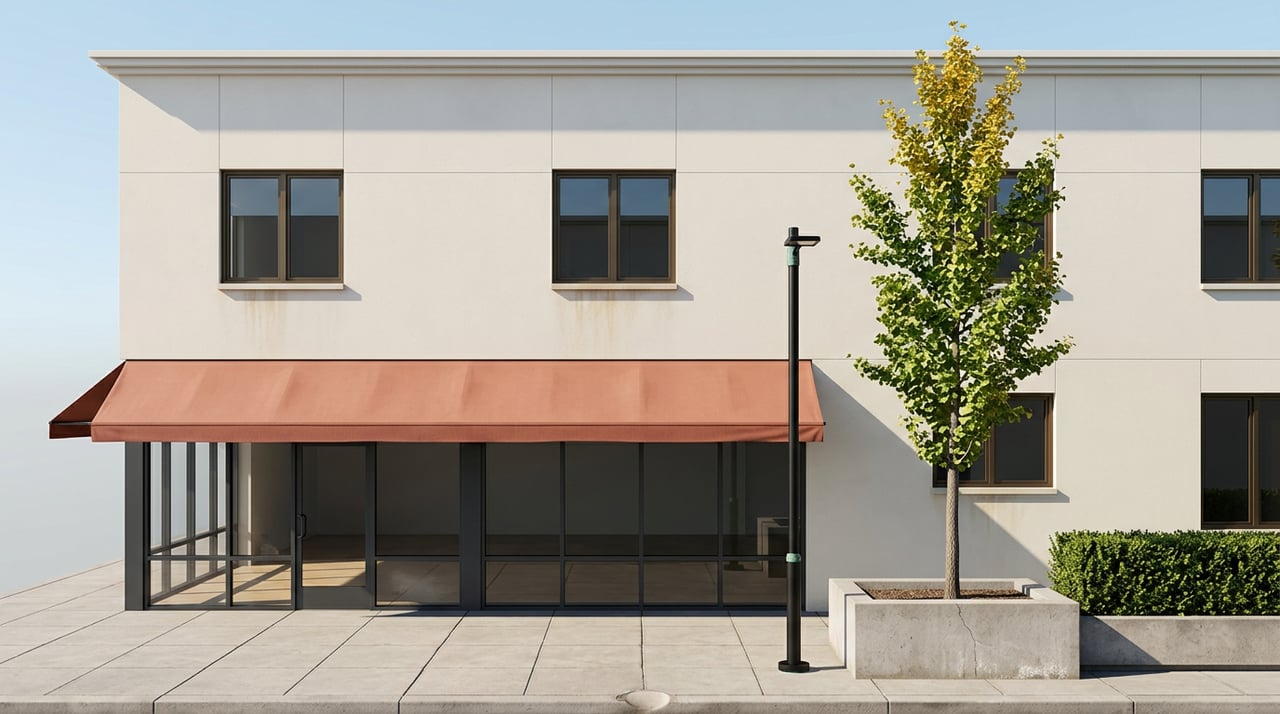
San Jose's Japantown Got an Award in December. The News That Matters Arrived on 7th Street in July.
Walk down 5th Street past Jackson on a Tuesday evening and you can usually hear San Jose Taiko before you see the building. The group has rehearsed out of 565 North 5th Street for years, and the drumming carries half a block in either direction, mixing with the regulars heading into the Buddhist Church Betsuin parking lot and the after-work crowd drifting toward the corner markets nearby. It's a sound residents stopped noticing the way you stop noticing your own street noise. Then, this year, two things happened that made people notice it again.
In December 2025, the California Arts Council named San Jose's Japantown one of ten new California Cultural Districts, expanding a program that had sat at fourteen districts since 2017 up to twenty-four statewide. San Jose Taiko's executive director, Wisa Uemura, led the application on behalf of the neighborhood's arts organizations. It was covered the way these things usually are: a press release, a few quotes about pride and legacy, a modest grant of $10,000 spread across two years for each district in the cohort. If you read past the headline, that's an easy story to file away and forget.
Then in July, a six-story building a few blocks from the drumming got its final city approval. And that's the part of this story that actually changes something a resident can point to.
Here's what most coverage of the cultural district announcement skipped: the designation isn't primarily about branding. It comes with access to a specific state tool, Assembly Bill 812, that lets a recognized cultural district set aside a portion of new affordable housing specifically for artists and culture bearers. Uemura said as much when the designation came through, framing the real value not as the money but as a way to keep the people who make Japantown's culture from being priced out of the neighborhood they built it in.
That's a meaningful distinction for anyone who lives here. San Jose's Japantown is one of only three surviving Japantowns in the country, alongside San Francisco and Los Angeles. Before World War II there were more than eighty Japanese American communities across the country. Most of them never came back after internment scattered residents and, in many cases, cost them their property outright. San Jose's held on. The neighborhood has survived by staying occupied by the people who keep its traditions running: the Betsuin's Obon dancers, the museum's volunteers, the taiko players teaching the next apprentice class. A tool that specifically protects artist housing is aimed at the exact vulnerability that history created.
Kelli Saito Martines, board president of the Nikkei Matsuri Foundation, put the neighborhood's balancing act simply when the designation was announced, describing a street where old traditions and new businesses share the same block without one crowding out the other. That's the tension AB 812 is built to manage on the housing side specifically.
Here's where the timeline gets interesting. On July 8, 2026, about seven months after the cultural district announcement, San Jose's planning staff approved a six-story mixed-use building at 653 North 7th Street. The project, led by developer Shea Properties, will bring 65 residential units to the site. It also sets aside roughly 14,100 square feet of commercial space for a dedicated San Jose Taiko performance venue, plus an office, workshop, and gallery. The site sits next to a proposed public park, and it builds directly on Shea's earlier project one block away: the completed Sixth and Jackson apartments.
To be clear about what "approved" means here: this is an entitlement, not a ribbon cutting. Nobody should expect to hear drums coming from 7th Street this fall. What the approval means is that the hardest part, city sign-off, is done, and the project is now queued to move toward construction. San Jose Taiko has built its identity around the space at 565 North 5th Street for more than fifty years. A purpose-built performance hall with its own workshop and gallery would be the group's first home actually designed around what it does rather than adapted to fit it.
Nobody involved has said outright that this specific project used the AB 812 mechanism to get built. The public record shows a planning approval, not a housing-artist set-aside filing. What's worth noticing instead is the pattern: about seven months after the state handed the neighborhood a tool meant to keep artists housed near their work, a building that does exactly that, cultural space stitched into new housing on the same lot, cleared its last hurdle a few blocks from where San Jose Taiko already rehearses. Whether one caused the other or they simply arrived on the same calendar, the effect for a resident is the same. The instinct the designation is meant to encourage is already showing up in approved building plans, not just policy language.
The neighborhood didn't wait for the building to test what the new status meant. On July 11 and 12, 2026, the San Jose Buddhist Church Betsuin held its annual Obon Festival along 5th Street between Taylor and Jackson, the first Obon held since the cultural district announcement. The Japanese American Museum of San Jose offered free admission both days, extended its hours to 5 p.m., and ran walking tours of Japantown for visitors who wanted the history behind what they were watching. Thousands turned out over the two days for Obon Odori dancing.
Yuki Nishimura, a JAMsj board member, told NBC Bay Area that this was the first time the community celebrated Obon while officially recognized as a California-designated cultural district. Vanessa Hatakeyama, the museum's executive director, offered the more grounded version of the same sentiment when the designation was first announced: regardless of what the state calls it, she said, the neighborhood already knew what it was. That's the honest read on all of this. The designation didn't create Japantown's culture. It gave the neighborhood a legal lever to keep protecting it, and this summer's festival, July's building approval, and the ordinary rehearsal schedule at 565 North 5th Street all point the same direction: toward keeping the people who make the neighborhood what it is, in the neighborhood.
If you live near here, the practical version of this story is simple. The 653 North 7th Street site is where you'll see the next visible sign of movement, whenever site work begins. JAMsj's 2026 rotating exhibit, "House Meeting(s): Opening the Door for Redress in San Jose," opened earlier this year and was still on view as of this summer's Obon Festival, worth checking before it closes. And the Nikkei Matsuri Foundation's spring festival, which marked its 48th year this past April at 5th and Jackson, remains the other fixed point on the neighborhood's calendar worth knowing if you don't already.
None of this required a real estate transaction to matter to the people who live here. It's a neighborhood using a new piece of state paperwork to protect something it already had, and a building a few blocks from the drums that, whether by coincidence or design, shows exactly what that paperwork was written to do.
If you're weighing what a home near a neighborhood like this is actually worth, or thinking about what comes next for a property here, SweatBros tracks these kinds of local shifts as part of how we price and market South Bay listings. Get your instant home valuation to start that conversation.
Stay up to date on the latest real estate trends.


Work with Andy Sweat and gain a real partner in your real estate journey. Andy takes the time to understand your goals, your concerns, and the story behind your move. He believes real estate is about people first, and property second. Whether buying or selling, Andy guides every step with care, clarity, and confidence.

ANDY SWEAT | CA DRE# 01974462
16780 Lark Ave Los Gatos, CA 95032