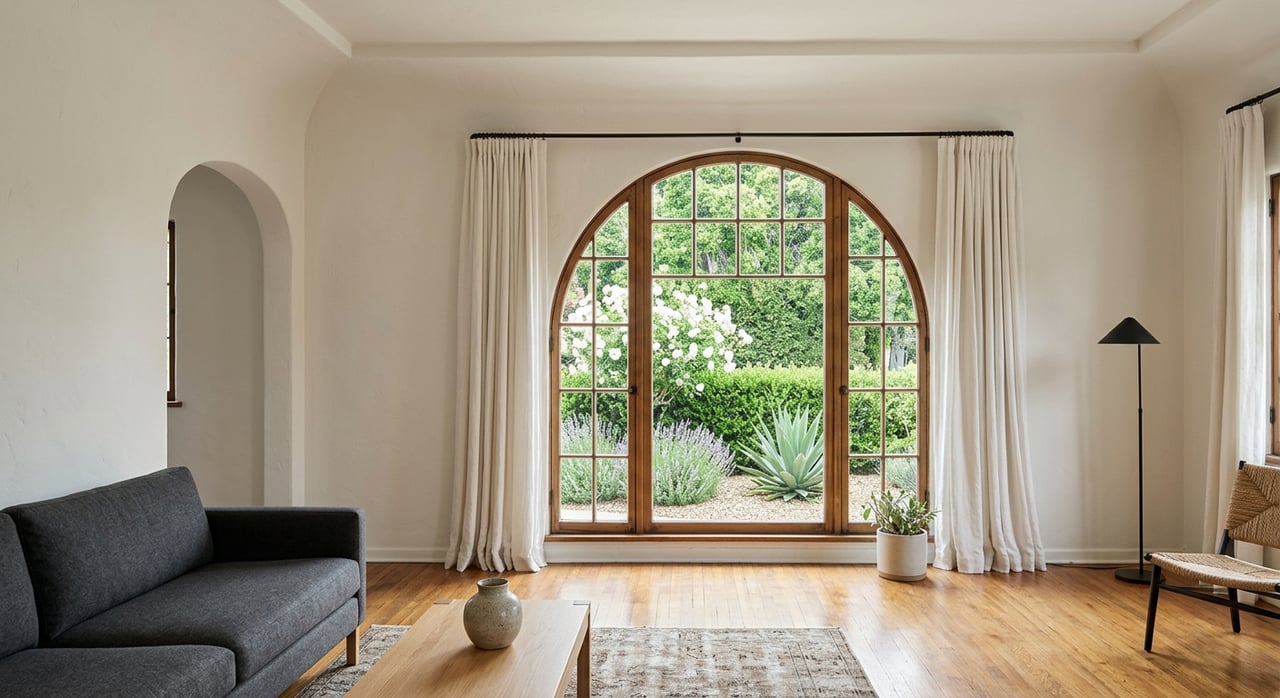
Selling A Historic Home In San Jose Rose Garden
Thinking about selling a historic home in San Jose Rose Garden? You are not just selling bedrooms and bathrooms. You are also selling craftsmanship, setting, and a piece of neighborhood history. If you want to position your home well, this guide will help you understand pricing, permits, updates, and the buyer questions that matter most. Let’s dive in.
Rose Garden is widely recognized as one of San Jose’s oldest neighborhoods, with architecturally designed homes dating back to the 1800s, according to Visit San Jose’s Rose Garden neighborhood overview. The neighborhood is anchored by the Municipal Rose Garden, and the broader area includes historic corridors and self-guided history walks that reinforce its identity.
That setting matters when you sell. In Rose Garden, buyers often respond to more than square footage alone. Streetscape, mature landscaping, and period architecture can shape first impressions just as much as interior updates.
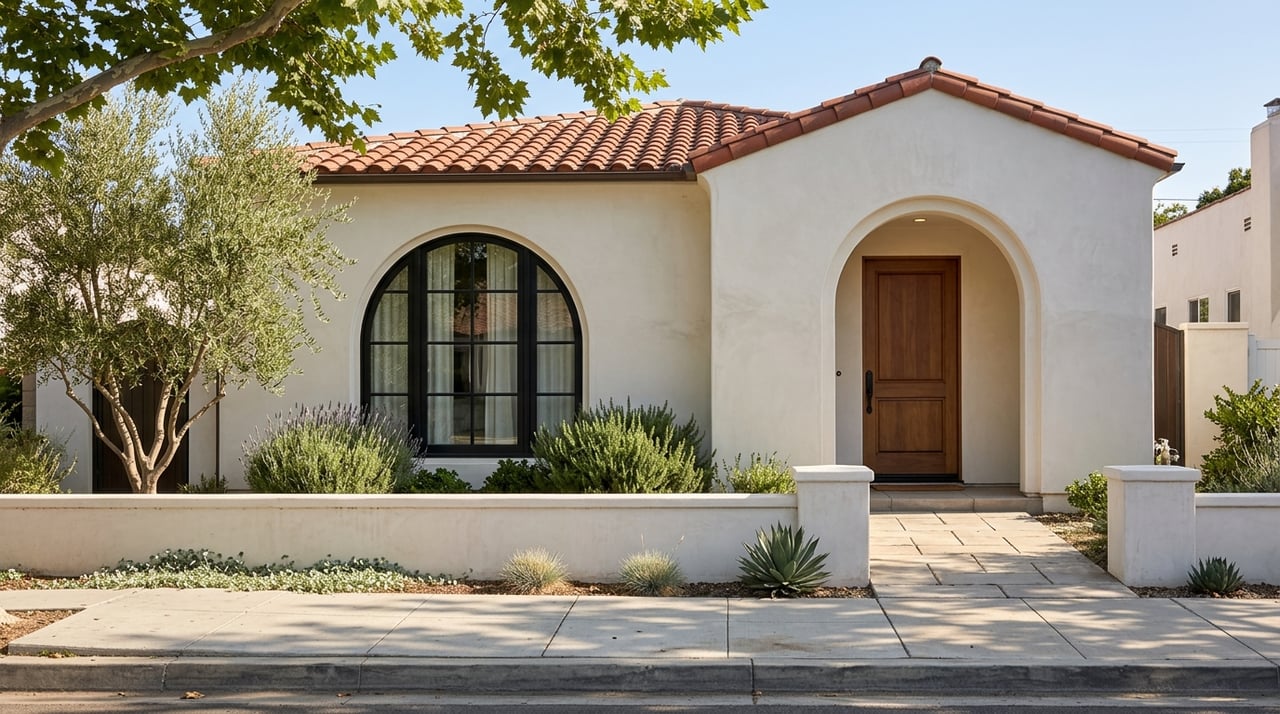
City historic resources material also highlights nearby conservation areas with homes dating roughly from 1906 to 1935 in styles such as Queen Anne, Craftsman Bungalow, Spanish Mission Colonial Revival, and Prairie, as outlined in San Jose’s historic areas and districts resources. If your home reflects one of these styles, that architectural identity can become a major part of your marketing story.
When you sell a historic home, the pricing conversation should go deeper than age. Buyers usually want to know how much original character remains, how well the home has been maintained, and whether updates respect the home’s style.
The National Park Service explains that rehabilitation should preserve historic character, retain distinctive materials and craftsmanship, and repair deteriorated features rather than replace them when possible, based on its Standards for Rehabilitation. At the same time, compatible alterations and additions can still fit within a preservation-minded approach.
For you as a seller, that means original millwork, porch details, windows, and other character-defining features may strengthen the value story. Documented system upgrades and thoughtful remodels can also help, especially when they improve function without stripping away the home’s architectural identity.
Historic-home buyers often pay close attention to features that are hard to recreate today. These details help your home feel authentic and distinct in a market full of newer renovations.
Common features that may add appeal include:
If your home still has these details, your listing should highlight them clearly. If some have been restored or repaired, that is also worth explaining because buyers often appreciate work that respects the original design.
One of the biggest mistakes sellers make is assuming buyers want either all charm or all modern convenience. In reality, many buyers want both. They love historic character, but they also want confidence that the home is functional and well cared for.
That is why your prep and marketing should make a clean distinction between preserved features and practical improvements. A strong presentation often shows buyers what is original, what has been upgraded, and whether the work was completed with permits when required.
Useful updates to organize before listing include:
Before you describe your home as historic, landmarked, or part of a district, verify how the property is classified. San Jose separates historic properties into categories such as City Landmarks, City Landmark Districts, Conservation Areas, and other Historic Resources Inventory listings, and the permit path depends on that classification.
The city specifically advises owners to verify an address in the City of San Jose historic resources permit guidance and GIS tools. This step matters because a formally designated property is different from an older character home that simply has historic appeal.
That distinction also matters to buyers. Clear, accurate language builds trust and helps avoid confusion once disclosure documents and inspections begin.
Historic status can affect what kinds of exterior changes require review. If your property is a City Landmark or located in a City Landmark District, exterior work generally requires a Historic Preservation Permit, according to the city’s historic permit requirements.
The city also notes that ordinary maintenance, such as painting or in-kind repairs that do not change the exterior appearance, does not require a Historic Preservation Permit. For other listed historic resources, a single-family house permit or planning adjustment may apply depending on the project.
This is important during a sale because buyers often ask what they can change after closing. The more clearly you can explain the property’s status and known permit history, the easier it is for buyers to evaluate the opportunity with confidence.
Some sellers worry that historic district status will scare buyers away. In practice, it often helps to explain what that designation actually means.
San Jose says a historic district is an overlay on zoning, and it does not regulate land use or force restoration. Instead, it guides exterior changes so they remain compatible with the historic character of the area, as described in the city’s historic district designation guidance.
For many buyers, that framing is helpful. It positions historic status less as a blanket restriction and more as a way to preserve neighborhood character and streetscape consistency.
Buyers may ask whether a historic home comes with tax advantages. The answer depends on the property’s designation and use.
For designated City Landmarks, San Jose says a Mills Act Historical Property Contract can reduce property taxes in exchange for preservation, restoration, and rehabilitation, with 10% of annual savings directed to maintenance and rehabilitation. The city also notes that federal rehabilitation credits are limited to income-producing properties, so they should not be presented as a standard benefit for a private residence.
If your home qualifies for any local incentive program, it is smart to present that accurately and with documentation. If it does not, clarity is still better than overpromising.
Historic homes need a different marketing approach than a standard listing. Buyers are often deciding with both logic and emotion, so your presentation should show beauty, condition, and context.
A strong listing narrative should lead with the home’s architectural style, original materials, notable restorations, permit history, and neighborhood setting. Media should also help buyers separate charm from deferred maintenance by showing both detail and clarity.
Effective marketing assets often include:
For a home like this, premium presentation can make a major difference. That is especially true when the goal is to attract buyers who value both design and long-term stewardship.
Historic-home buyers usually come in with more questions than average. That is not a bad thing. It often means they are serious and paying attention.
Before your home hits the market, be ready to answer questions like these:
When you answer these questions early, you reduce uncertainty. That can lead to stronger buyer confidence, cleaner negotiations, and a smoother path to closing.
Selling a historic home in Rose Garden is part pricing strategy, part documentation, and part storytelling. You want buyers to see the home’s character, understand its updates, and feel informed about any preservation-related rules that may apply.
That is where thoughtful preparation and polished marketing really matter. If you want expert guidance on how to position your Rose Garden property for the right buyers, connect with Andy Sweat for a strategy built around local knowledge, premium presentation, and clear advice.
Stay up to date on the latest real estate trends.
Work with Andy Sweat and gain a real partner in your real estate journey. Andy takes the time to understand your goals, your concerns, and the story behind your move. He believes real estate is about people first, and property second. Whether buying or selling, Andy guides every step with care, clarity, and confidence.

ANDY SWEAT | CA DRE# 01974462
16780 Lark Ave Los Gatos, CA 95032