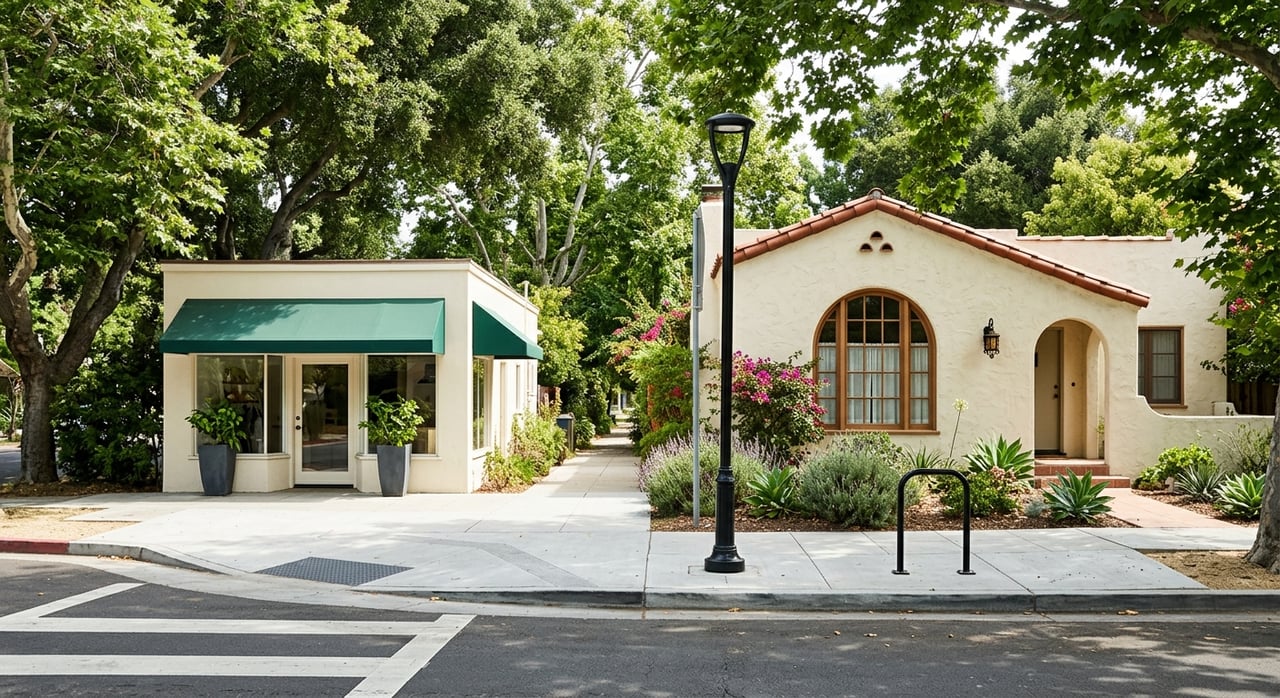
Walkable San Jose Homes in the City's Best Neighborhoods
If you want a more walkable life in San Jose, you have to think smaller than the city map. San Jose is only somewhat walkable overall, with a citywide Walk Score of 51, which means your day-to-day experience can change a lot from one pocket to the next. The good news is that some neighborhoods and even specific corridors offer a much easier way to live near shops, dining, transit, and daily errands. If you are trying to find the San Jose neighborhoods that feel truly walkable, this guide will help you focus on the areas worth your time. Let’s dive in.
San Jose is not a city where walkability is evenly spread across every neighborhood. Instead, the most walkable areas tend to cluster in downtown districts, older neighborhood cores, and mixed-use corridors with real destinations nearby.
That pattern matches the City of San José’s planning approach, which directs growth into walkable, bike-friendly urban villages with transit access. In practical terms, that means the best walkable living is often found in specific pockets, not across an entire zip code.
For buyers, renters, and sellers, that matters. In Fannie Mae’s Q3 2024 consumer survey, 47% of respondents said they would pay more for walkability to shops, restaurants, and other amenities, and 43% said they would pay more for proximity to public transportation.
In San Jose’s market, lifestyle can become part of the value story very quickly. The City of San José reported a 2024 single-family median home price of about $1.66 million, a median townhome price of $844,000, and an average of 16 days on market for single-family homes.
If you want the clearest example of walkable living in San Jose, start with Downtown. Walk Score ranks the Downtown neighborhood at 79, and a Downtown address on Devine Street scores 92, with excellent transit and very strong bike access.
Downtown works because it puts real destinations close together. The City of San José describes it as the heart of the city, with areas such as San Pedro Square, SoFA, the Historic District, Little Italy, City Hall, and San José State University shaping the area.
This is also one of the strongest choices if you want transit to be part of your routine. The Downtown Transportation Plan frames the district as transit-rich and closely connected to places like Japantown and Diridon Station, along with future homes, jobs, and community amenities.
If your goal is to walk to coffee, dinner, events, or errands more often, Downtown is the most obvious place to begin your search. It offers the kind of everyday convenience that many people picture when they say they want an urban lifestyle in the South Bay.
For buyers or renters who want urban convenience without being limited to Downtown, the neighborhoods just outside the core deserve serious attention. Washington-Guadalupe, Five Wounds Brookwood Terrace, Roosevelt Park, and Garden Alameda all rank among San Jose’s most walkable pockets.
Washington-Guadalupe posts a Walk Score of 84, with transit at 58 and bike at 91. Five Wounds Brookwood Terrace also scores 84, while Roosevelt Park and Garden Alameda each come in at 83.
What makes this cluster appealing is the balance. You still get strong access to daily destinations and connected streets, but the feel can be different from living in the center of Downtown itself.
For many early-stage buyers, this is where the search gets interesting. These neighborhoods can offer a more neighborhood-oriented setting while still supporting a less car-dependent routine.
If you want walkability with a more residential feel, look closely at the Rose Garden area and nearby historic corridors. This part of San Jose tends to feel more neighborhood-based, with walkability tied to key streets and local landmarks.
The Rose Garden neighborhood has an average Walk Score of 59, but that number jumps in the right places. At The Alameda and Naglee Avenue, the Walk Score reaches 74, and that location is about a 10-minute walk from College Park Caltrain.
Shasta Hanchette Park is even stronger, with an overall Walk Score of 81. A Hanchett Avenue address reaches 90, which shows how much specific blocks can shape your daily experience.
The City of San José describes Hanchett/Hester as a mostly single-family residential area with early-20th-century homes, while The Alameda is noted as a historic transportation corridor. The Municipal Rose Garden at Naglee and Dana also gives this area a major local landmark that adds to its identity.
For many buyers, this area checks a useful middle ground. You get a more residential environment, but still have pockets where walking to transit, local businesses, and neighborhood destinations feels realistic.
Willow Glen has the village feel that many South Bay buyers talk about, but it is important to understand how the walkability actually works. The neighborhood overall has a Walk Score of 58, which is respectable but not exceptional on its own.
The real story is along the Lincoln Avenue spine. At Lincoln Avenue and Willow Street, the Walk Score jumps to 93, which shows just how different the experience can be when you live near the commercial core.
The City of San José describes North Willow Glen as mostly small-lot residential properties with a limited mix of commercial uses, developed in the first half of the 20th century. That context helps explain why Willow Glen feels so location-specific.
If you are searching here, a few blocks can make a big difference. A home near the village core may support a much more walkable routine than one farther out, even if both are labeled Willow Glen.
Santana Row belongs on any San Jose walkability shortlist, even though it feels different from a traditional neighborhood. It has a Walk Score of 80, along with good transit and strong bike access.
This area stands out because it was built around a mixed-use lifestyle. If your version of walkability means stepping out to dining, retail, and daily conveniences in one concentrated district, Santana Row fits that definition well.
The City of San José includes the Santana Row and Valley Fair area within its urban-village framework, which is designed to support walkable, bike-friendly growth. That gives the area a planning context that aligns with how people actually use it.
For some buyers, this style of walkability is ideal. For others, it may feel more like a lifestyle district than a neighborhood in the classic sense, so it is worth matching the area to how you want to live.
If you want a quick list of high-scoring neighborhoods to explore, San Jose has several more pockets worth a closer look. According to Walk Score’s current rankings, St. Leo’s scores 92, East Virginia 90, Goodyear-Mastic 86, and Auzerais-Josefa 85.
Those areas join Washington-Guadalupe, Five Wounds Brookwood Terrace, Roosevelt Park, Garden Alameda, Shasta Hanchette Park, Santana Row, and Downtown among the city’s strongest walkable pockets. The common thread is simple: these are places where destinations, street connectivity, and access tend to work together.
That said, a neighborhood name is only a starting point. In San Jose, one part of a neighborhood can feel much more walkable than another, so it helps to evaluate the exact block, not just the label.
Walkability is not just about a score. In San Jose, the neighborhoods that feel truly walkable usually have a few things in common.
They tend to offer:
That last point matters more than many people expect. The research shows that San Jose’s walkability is highly block-specific, so being near the right corridor can change your lifestyle more than being in the right neighborhood name.
If you are buying, walkability can affect your budget, your daily routine, and your long-term satisfaction with a home. It may also shape resale appeal, especially when the location gives you access to destinations people use every week.
National pricing research from Redfin found that walkable homes in U.S. cities sold for 23.5% more on average than comparable car-dependent homes, though the premium varied a lot by metro and was not universal. That local variation is important, especially since the same report showed Oakland with a negative walkability premium.
The safest takeaway is not that every walkable location automatically commands more value. It is that real, usable walkability can matter when it is backed by nearby amenities, transit access, and a street layout that supports daily life.
If you are selling, that means your home’s micro-location may deserve more attention in the marketing story. A property near a strong corridor, neighborhood core, or transit-rich pocket may appeal to buyers looking for more than square footage alone.
If walkability is one of your top priorities, it helps to tour with a sharper lens. San Jose rewards buyers who look at the immediate surroundings, not just the neighborhood headline.
As you evaluate an area, pay attention to:
This approach can help you avoid a common mistake. A home can sit in a well-known neighborhood but still feel car-dependent if it is too far from the part that actually drives the walkable experience.
If you want a focused shortlist, start with these areas first:
This list covers the main walkable lifestyles San Jose offers. Some feel urban and transit-rich, some feel village-like, and some are more mixed-use and convenience-driven.
The key is matching the neighborhood to your routine. Once you do that, San Jose starts to feel much more navigable and much more livable than the citywide score alone might suggest.
If you want help narrowing down which San Jose blocks actually match your lifestyle goals, pricing range, and long-term plans, Andy Sweat can help you cut through the noise and focus on the pockets that make sense.
Stay up to date on the latest real estate trends.


Work with Andy Sweat and gain a real partner in your real estate journey. Andy takes the time to understand your goals, your concerns, and the story behind your move. He believes real estate is about people first, and property second. Whether buying or selling, Andy guides every step with care, clarity, and confidence.

ANDY SWEAT | CA DRE# 01974462
16780 Lark Ave Los Gatos, CA 95032