Rose Garden Or Willow Glen For Your Next Home
Trying to choose between Rose Garden and Willow Glen for your next home? You are not alone. Both neighborhoods sit in the upper tier of the San Jose market, both move fast, and both offer a strong sense of place. The right fit often comes down to how you want to live day to day, what kind of home character you value, and how you want to balance price, walkability, and long-term resale. Let’s dive in.
If you want the simplest version, here it is: Rose Garden tends to appeal to buyers who want deeper historic character and a slightly lower median purchase price, while Willow Glen often fits buyers who want a more defined main street feel and a clearer neighborhood school pipeline.
As of March 2026, Rose Garden’s median sale price was $1,635,000 and Willow Glen’s was $1,867,500. Both neighborhoods were highly competitive, both had a median of 10 days on market, and both earned a Redfin competitiveness score of 92 out of 100. In other words, neither is an easy market, and both reward buyers who are prepared.
Rose Garden has some of the strongest historic identity in San Jose outside the downtown core. The neighborhood is closely tied to the 5.5-acre Municipal Rose Garden and the Rosicrucian Egyptian Museum, which gives the area a blend of park access and cultural landmarks.
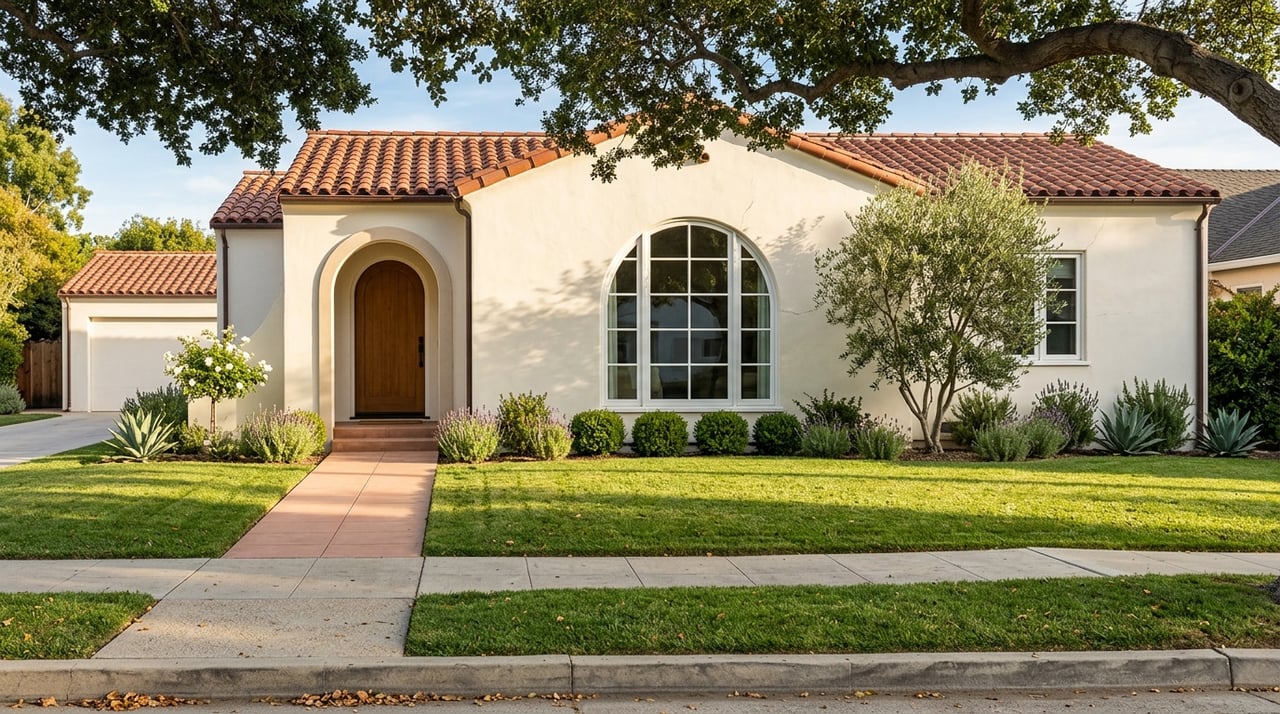
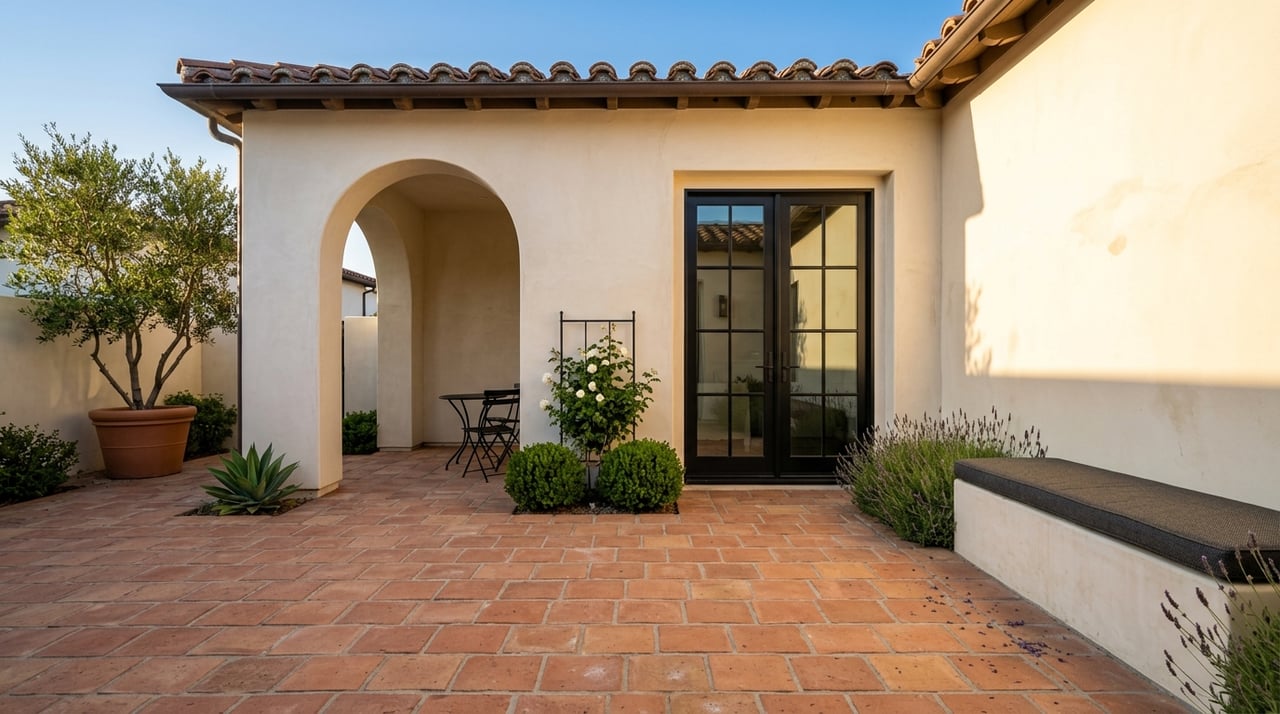
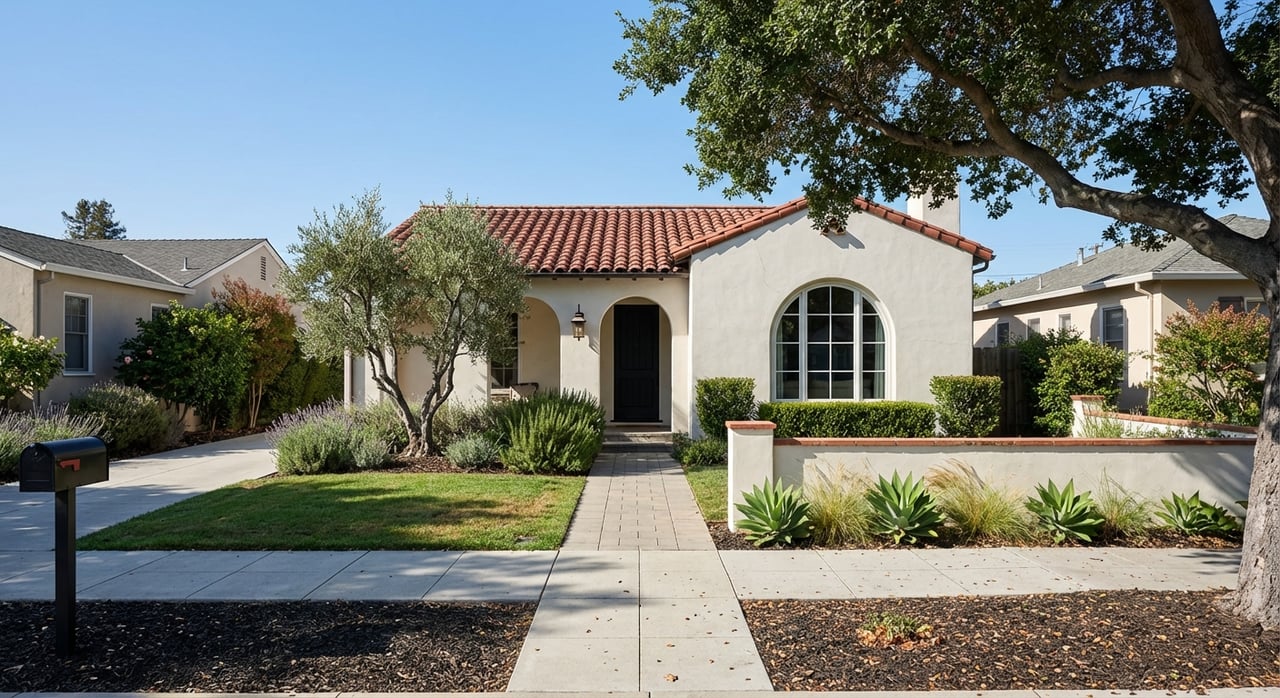
The housing stock reflects that long history. City historic-district materials for the area note styles such as Queen Anne, Craftsman Bungalow, Spanish Mission Colonial Revival, and Prairie. If you are drawn to homes with more architectural variation and a prewar feel, Rose Garden often stands out.
Another factor is age of housing stock. Broad neighborhood data shows a median year built of 1940 in Rose Garden. That helps explain why many homes here feel older, more layered, and more individually designed.
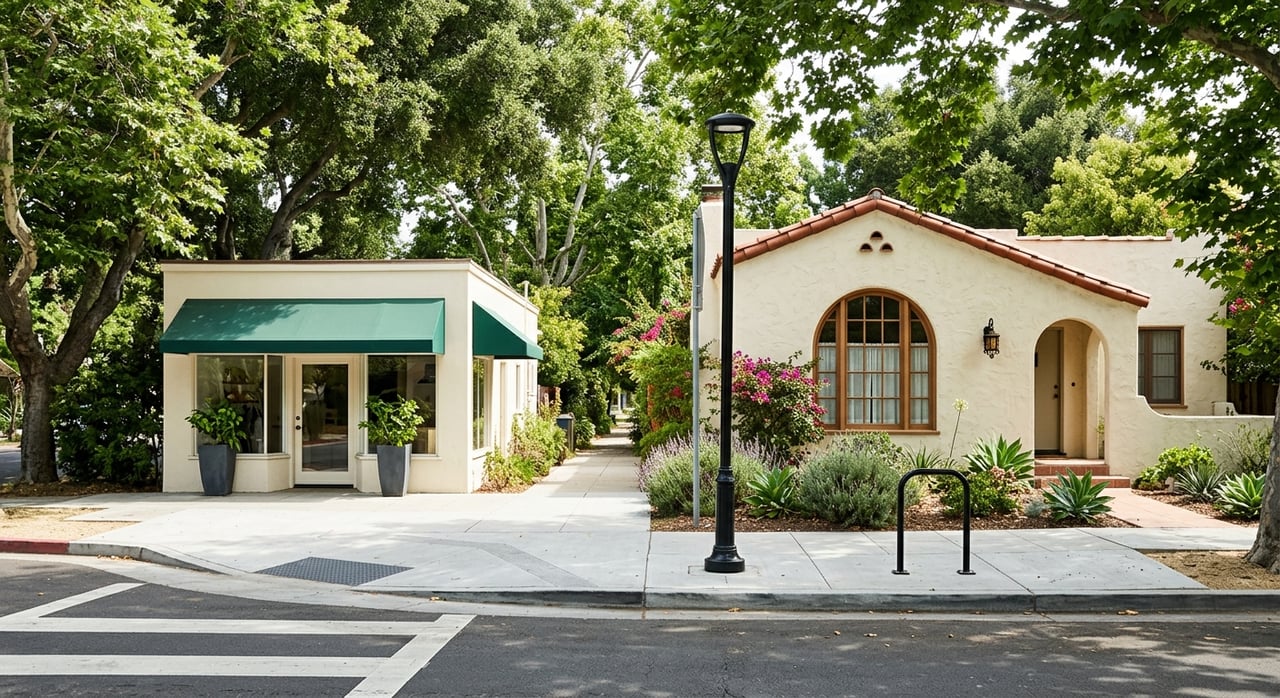
Willow Glen has a different kind of charm. It is also historic and tree-lined, but its lifestyle often centers more directly around Lincoln Avenue, which serves as the neighborhood’s main street.
Visit San Jose describes Willow Glen as architecturally unique, and city historic context materials describe North Willow Glen as a visually cohesive area of similarly massed small houses with period detailing developed between 1885 and 1955. In practical terms, that can translate to a more consistent neighborhood look from block to block.
The median year built in Willow Glen is 1954, slightly newer than Rose Garden. That difference is not dramatic, but it can make Willow Glen read a bit more mid-century in places, compared with Rose Garden’s more prewar mix.
If you are hoping one neighborhood clearly offers larger lots across the board, the data does not support that. Broad neighborhood snapshots show a median lot size of 6,969 square feet in both Rose Garden and Willow Glen.
The bigger difference is variation. Rose Garden appears to have a wider spread, with historic parcels and some larger-lot standout homes mixed into the neighborhood. Willow Glen tends to feel more consistent, with more small-lot, house-dense tracts.
Current listing examples help illustrate that pattern. In Rose Garden, a University Avenue listing was marketed on an 11,500-square-foot lot. In Willow Glen, recent examples included a 7,350-square-foot lot on Atlanta Avenue and another property on a nearly 6,000-square-foot flat lot.
From a numbers standpoint, Rose Garden and Willow Glen are very close on walkability. Walk Score rates Rose Garden at 59 for walkability, 46 for transit, and 75 for biking. Willow Glen scores 58 for walkability, 40 for transit, and 70 for biking.
That means both neighborhoods are somewhat walkable, but neither functions like a true downtown core. Your everyday experience will depend less on the overall score and more on the specific pocket you choose.
In Rose Garden, daily life often revolves around nearby destinations like the Municipal Rose Garden, Rosicrucian Park, and The Alameda. Walk Score also estimates about 34 restaurants, bars, and coffee shops in the area, which adds to the neighborhood’s casual convenience.
In Willow Glen, walkability is more concentrated around Lincoln Avenue. That corridor is home to more than 250 businesses, and the district is described by the Downtown Willow Glen Business Association as a walkable historic downtown. If you like the idea of a more defined business district at the center of neighborhood life, Willow Glen may feel more self-contained.
For many buyers, school planning is part of the neighborhood decision. It is important to stay precise here, because school assignment depends on address.
Willow Glen has a more straightforward neighborhood-school identity on paper. San Jose Unified lists Willow Glen Elementary, Willow Glen Middle, and Willow Glen High, and also lists nearby district elementary options such as Booksin and Gardner. The district advises families to verify default assignment by address using the school locator.
Rose Garden is more address-sensitive. Redfin’s neighborhood school data lists Merritt Trace Elementary as one public option, and Abraham Lincoln High on Dana Avenue notes that it has earned the National Blue Ribbon Award. As with Willow Glen, the exact assignment should always be confirmed through the district locator.
Both neighborhoods are premium markets relative to San Jose overall. In March 2026, San Jose’s median sale price was $1.5 million, which places both Rose Garden and Willow Glen above the citywide median.
Willow Glen had the higher median sale price at $1,867,500. Rose Garden came in at $1,635,000, which gives buyers a somewhat lower median entry point. That gap can matter if you want a similar neighborhood feel at a lower overall price threshold.
At the same time, Rose Garden posted the higher price per square foot at $1.16K versus Willow Glen’s $1.08K. That suggests buyers may be paying a premium for location and character even when the total purchase price is lower.
Competition is intense in both areas. Rose Garden had a 102.9% sale-to-list ratio, with 57.1% of homes selling above list. Willow Glen posted a 105.2% sale-to-list ratio, with 63.4% of homes selling above list and an average of 4 offers per home.
Choosing between Rose Garden and Willow Glen is less about which one is “better” and more about which one matches your priorities.
If you are seriously comparing these two neighborhoods, visit each one with a short checklist. Pay attention to the home styles you naturally gravitate toward, how close you want to be to retail and dining, and whether you prefer a pocket with more variety or more visual consistency.
It also helps to compare actual listings, not just neighborhood averages. In markets this competitive, pricing, lot shape, condition, and micro-location can matter just as much as the neighborhood name.
The best strategy is to enter the search with clear priorities and fast decision support. That is especially true when homes are moving in about 10 days and many are selling over asking.
Whether you are weighing character, resale, or day-to-day lifestyle, a neighborhood-level strategy can save you time and help you compete with more confidence. If you want a data-driven read on which area fits your goals, connect with Andy Sweat for local guidance tailored to your move.
Stay up to date on the latest real estate trends.
Work with Andy Sweat and gain a real partner in your real estate journey. Andy takes the time to understand your goals, your concerns, and the story behind your move. He believes real estate is about people first, and property second. Whether buying or selling, Andy guides every step with care, clarity, and confidence.

ANDY SWEAT | CA DRE# 01974462
16780 Lark Ave Los Gatos, CA 95032