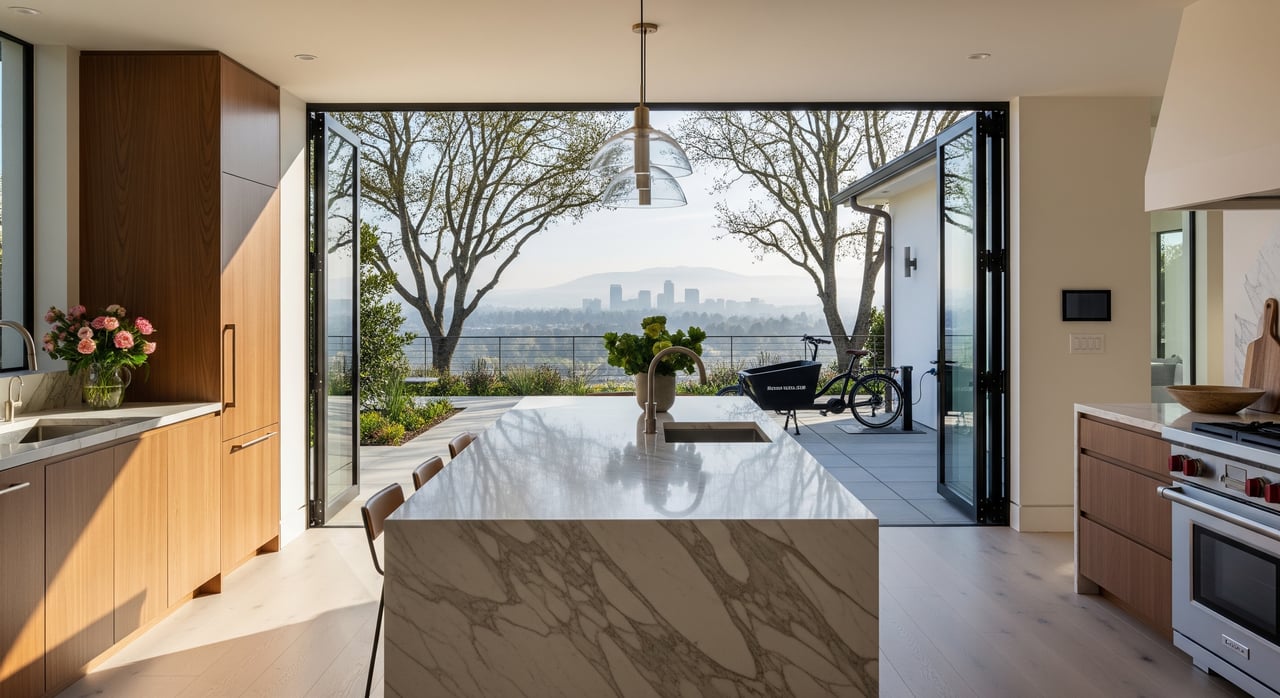
What It’s Like Living in San Jose with Kids in Tech
Thinking about raising your family in San Jose while building a tech career? You are not alone. Many dual‑income households come here for the jobs, the innovation culture, and the access to great amenities, then discover a maze of housing choices, school boundaries, commute tradeoffs, and childcare logistics. In this guide, you will get a clear, practical look at what daily life feels like, how to weigh your options, and where families like yours tend to land. Let’s dive in.
Weekdays here often blend hybrid work with school drop‑offs, after‑school activities, and evening homework. You might do one or two office days a week and remote days at home, which helps balance traffic and family time. Many parents lean on nanny shares or after‑school programs to cover those late meetings. Convenience matters, so you will see plenty of meal kits, grocery delivery, and easy family‑friendly restaurants in every part of town.
On weekends, families head outdoors. You can play in neighborhood parks, bike the Guadalupe River Park trail, or explore regional favorites like Almaden Quicksilver and Santa Teresa. Day trips to Santa Cruz beaches are common and can take roughly 45 to 60 minutes depending on traffic.
Housing in San Jose sits at a higher price point than national averages. Your decision usually comes down to what you value most: shorter commute, more space, specific school assignments, or walkability.
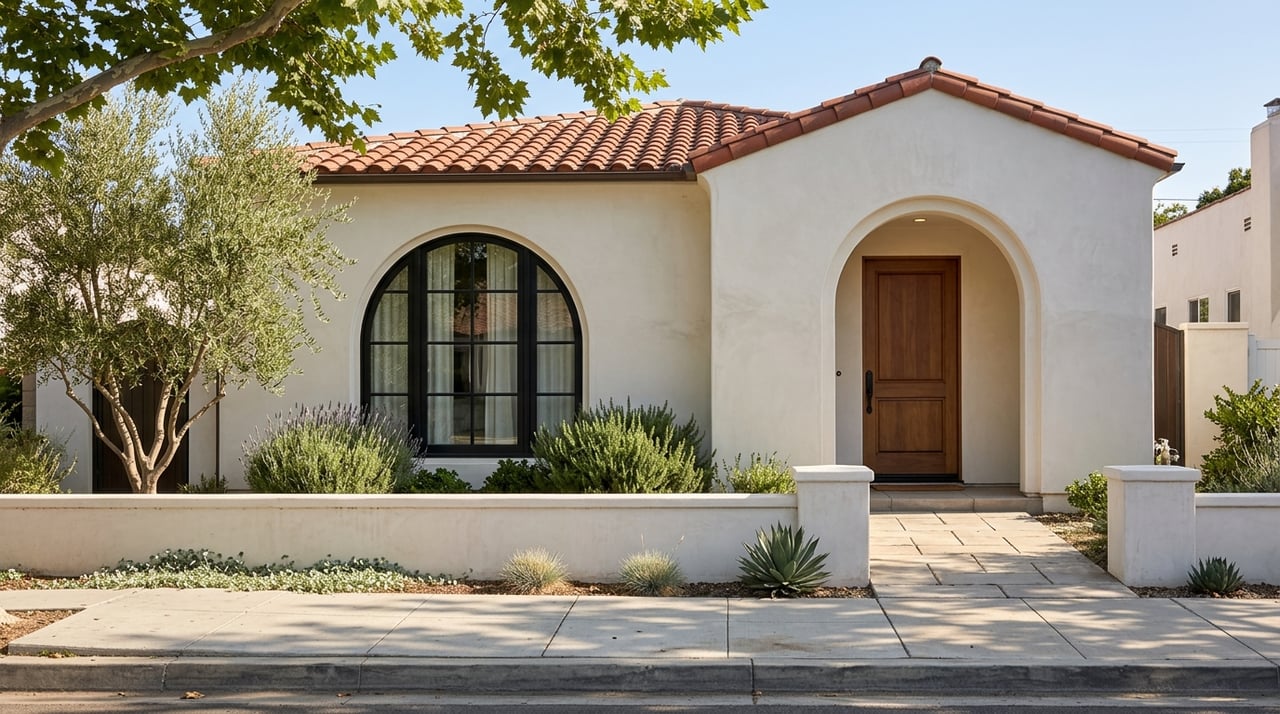
If you want a yard and a classic neighborhood feel, look at Willow Glen, Rose Garden, Cambrian, Blossom Valley, Almaden, Evergreen, and Silver Creek. These areas offer a spread of home sizes, parks, and a quieter vibe. To the west and southwest, Saratoga and Los Gatos sit at higher price points and are known for strong school performance based on public data. Commutes from these areas can be longer depending on where you work.
If you prefer lower maintenance living closer to transit, explore North San Jose, Berryessa, Downtown, Japantown, and the Santana Row area. You will find newer townhomes and condos near Caltrain, VTA, and the BART station in Berryessa. Families who prioritize access to offices, shorter commutes, and walkable amenities often pick these nodes.
Near Diridon Station, North San Jose, and transit‑rich spots, higher‑density infill brings modern layouts and on‑site amenities. Some developments highlight walkability and proximity to schools and childcare. If you like new construction and a more urban lifestyle, this can be a fit.
Many families expand the search to nearby cities like Santa Clara, Milpitas, and Campbell to stretch budget or find a specific floor plan. Others look farther out or consider multi‑generational living or renting an ADU to balance costs. If one partner works in the East Bay or San Francisco, a mid‑Peninsula location or transit‑served node might make sense even if the home is smaller.
Schools in Santa Clara County vary by district and even by attendance area. Most families narrow home searches around specific elementary or middle schools, then confirm assignment boundaries.
San Jose Unified and East Side Union High School District cover broad, diverse zones with mixed performance profiles. Several areas in and around San Jose feed into districts recognized for strong outcomes based on state data. Because boundaries and offerings can change, verify the assigned schools for any address with district enrollment offices and official boundary maps.
Childcare costs here are among the highest in the country and many programs have waitlists. You will find options ranging from licensed in‑home daycares to larger centers, employer‑supported care, church and community programs, nanny shares, and enrichment providers. After‑school activities are plentiful, from robotics and coding to music and sports, and many organizers run camps during school breaks.
Private and independent schools are common in and around San Jose, both secular and faith‑based. Charter and magnet programs can be competitive, and lottery rules or catchment areas apply. If you are considering these routes, start early and learn each program’s timeline and requirements.
Commutes in the South Bay are a real factor in daily life. Most families drive, and congestion on 280, 101, 87, and 85 is common at peak times. Many households accept 30 to 60+ minute commutes when they choose more space or a specific school assignment.
Driving remains the dominant mode. Some larger employers still operate shuttles, though usage varies with hybrid policies. Families often coordinate on remote days to reduce total commute time.
Caltrain connects San Jose to the Peninsula and San Francisco with a commuter focus. VTA light rail and buses serve local routes, though frequency can be a constraint for time‑sensitive schedules. BART’s extension to Berryessa/North San Jose opened in 2020, creating a direct link into the system, with future phases in planning. For occasional regional trips, ACE and Capitol Corridor trains are additional options.
If one partner works around Oakland, Hayward, or Berkeley while the other works in San Jose, expect longer daily travel. Some families choose East Bay living for culture or housing style and accept BART plus transfers or longer drives along I‑880. Others split the difference by living near Transit‑rich nodes or on the mid‑Peninsula to balance both commutes with hybrid schedules.
San Jose offers a wide range of family‑friendly activities. You will find active parent groups, community centers, and libraries, plus an international food scene that reflects the city’s diversity.
Local favorites include Almaden Quicksilver County Park, Santa Teresa County Park, and the trails along the Guadalupe River. For bigger adventures, head up into the Santa Cruz Mountains for hiking and mountain biking, or plan a beach day in Santa Cruz.
You can spend a morning exploring The Tech Interactive, plan hands‑on fun at the Children’s Discovery Museum of San Jose, or take a thrill day at California’s Great America in Santa Clara. The Winchester Mystery House and Santana Row add variety for visiting family or date nights.
Major health systems include Santa Clara Valley Medical Center, multiple Kaiser Permanente campuses, El Camino Health nearby in Mountain View and Los Gatos, and Stanford Health in Palo Alto for specialty care. Pediatric networks are extensive, but top practices can have waitlists, so start your searches early.
Beyond housing, expect higher‑than‑average costs for childcare, groceries, services, and home maintenance. California’s property tax system limits annual increases for long‑term owners, but your initial tax basis will reflect your purchase price. Build a realistic household budget that includes childcare, utilities, maintenance, and commuting, not just your mortgage.
You want a strong community feel, a short drive to central offices, and a charming neighborhood. You target Willow Glen or Rose Garden for tree‑lined streets, local shops, and access to parks. You accept a smaller lot or older home to gain lifestyle perks and cut drive time.
You value a larger home with a yard and easy access to family parks. You look in Cambrian, Blossom Valley, Almaden, or Evergreen, where single‑family inventory is more common. You plan for a longer commute or a hybrid workweek to make the space tradeoff work.
You want newer construction and fast access to trains and shuttles. You focus on North San Jose, Berryessa, and the Diridon area with townhomes or condos. You trade private yard space for walkability and smoother multi‑city commutes.
San Jose can be a fantastic place to raise a tech‑forward family if you plan for the right tradeoffs. Whether you are choosing between walkable charm, more square footage, or transit access, your best move is to align housing with your daily routine, school preferences, and hybrid work schedule. If you want a clear plan and targeted neighborhood shortlist, let’s talk. Connect with Andy Sweat for data‑driven guidance, relocation support, and a streamlined path to your next home.
Stay up to date on the latest real estate trends.
Work with Andy Sweat and gain a real partner in your real estate journey. Andy takes the time to understand your goals, your concerns, and the story behind your move. He believes real estate is about people first, and property second. Whether buying or selling, Andy guides every step with care, clarity, and confidence.

ANDY SWEAT | CA DRE# 01974462
16780 Lark Ave Los Gatos, CA 95032