Bidding on a home in Rose Garden can feel like a sprint. The best homes draw a crowd, and strong offers rise to the top fast. If you want to win, you need a plan that proves you can close, limits uncertainty for the seller, and gives them timing they value.
In this guide, you’ll learn how to prepare your financing, handle appraisal gaps, choose smart contingencies, and build in flexible possession terms that sellers notice. You’ll also get checklists and real-world tactics you can use right now. Let’s dive in.
Why Rose Garden offers are competitive
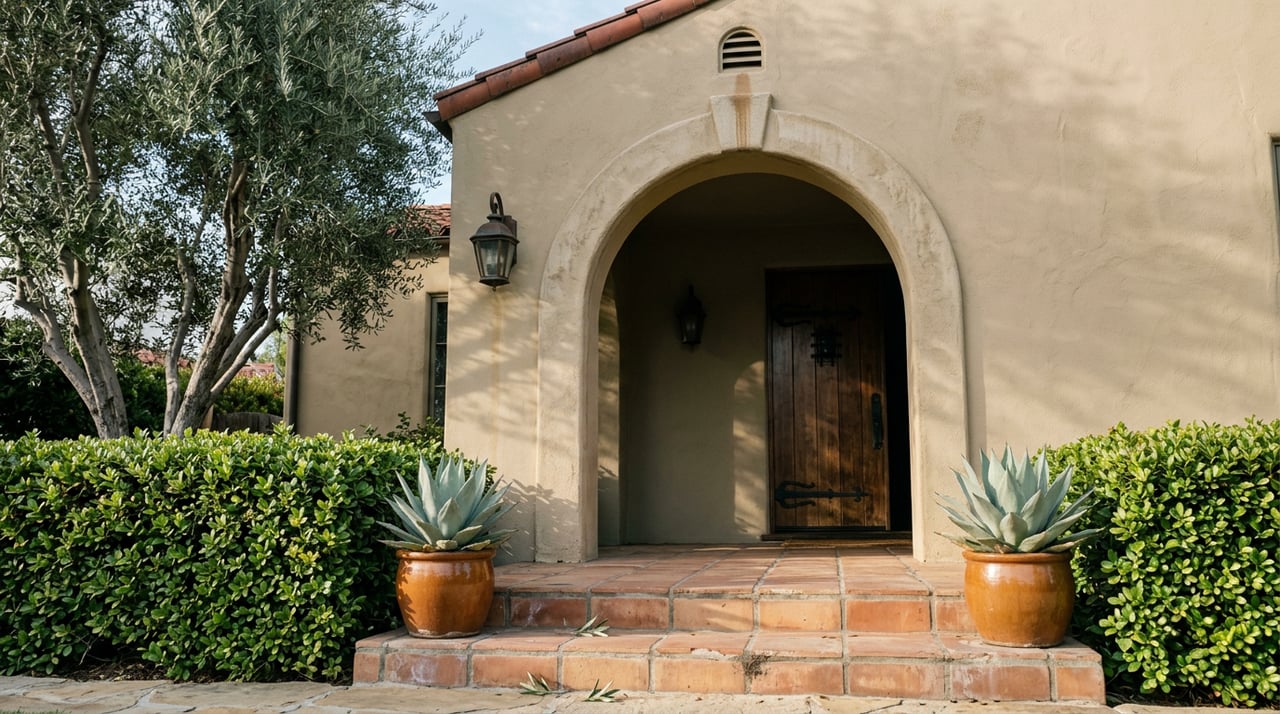
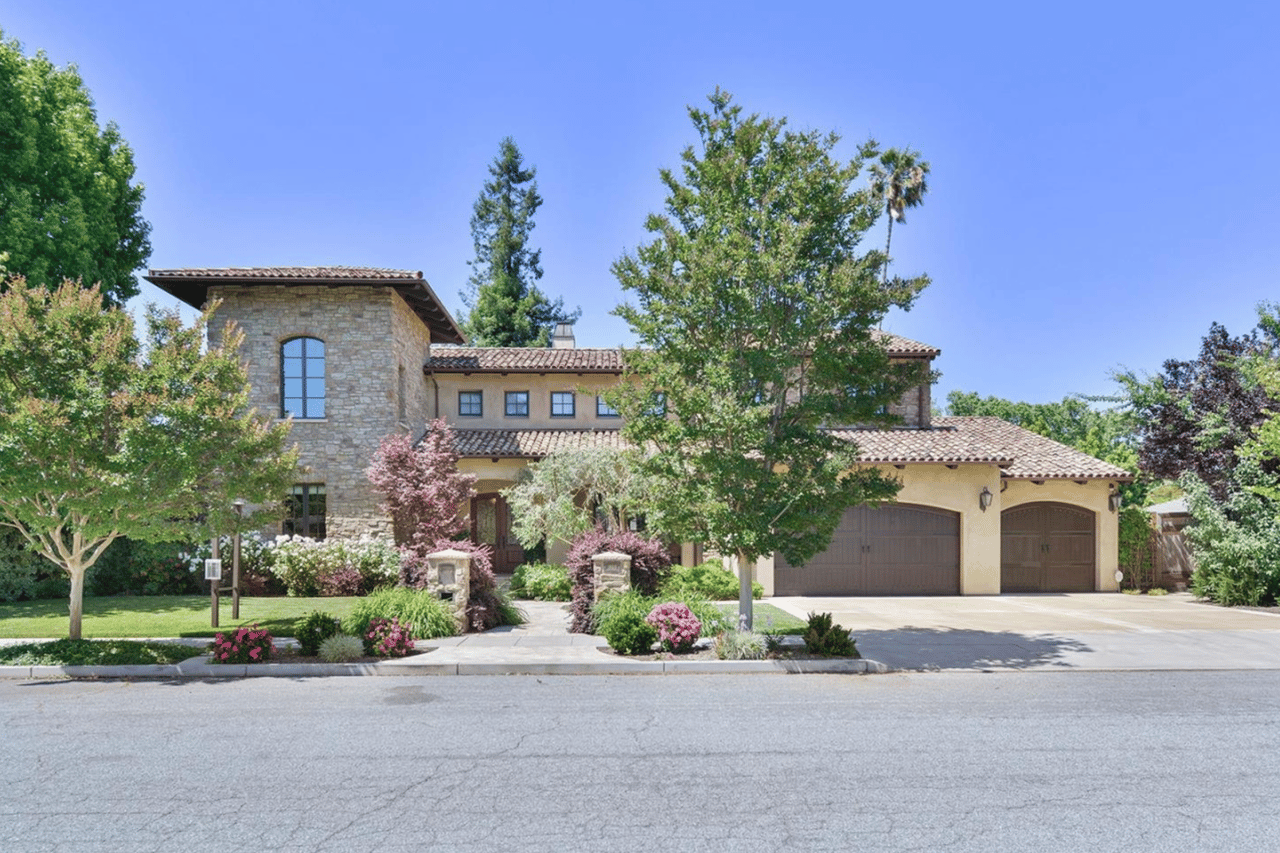
Rose Garden is one of Santa Clara’s most sought-after neighborhoods. Homes are often older, sometimes historic, and inventory can be tight. When the broader Silicon Valley market heats up, well-priced listings here can draw multiple offers.
Local rules and norms shape how you write your offer. In California, sellers provide standard disclosures such as the Transfer Disclosure Statement and Natural Hazard Disclosure. Escrow timelines commonly run 21 to 45 days, and rent-backs or flexible closing terms are common when sellers need time to move.
The bottom line: in a competitive moment, sellers favor offers with strong financing evidence, clear terms, and minimal uncertainty. Your offer should make it easy for the seller to say yes.
Get fully underwritten before you shop
Pre-qualification vs pre-approval vs pre-underwriting
Not all lender letters carry the same weight.
- Pre-qualification: An estimate based on self-reported info. Weak in a multiple-offer setting.
- Pre-approval: Lender has verified your income, assets, and credit. This is the baseline.
- Pre-underwriting: An underwriter reviews your full file and issues a conditional approval. In Rose Garden, this can push your offer to the top because it lowers financing risk for the seller.
Ask your lender for a true conditional approval, not just a pre-approval. Confirm how fast they can close once you are in contract and whether your loan could qualify for any appraisal waivers. Timelines vary by lender and loan type.
What to assemble before you write
Have your packet ready so you can submit a complete offer on day one:
- Recent pay stubs, W-2s or 1099s, and tax returns
- Bank and investment statements that show your down payment and reserves
- Proof of any gift funds
- A conditional approval or pre-approval letter
- Proof of funds for your earnest money deposit
This preparation shows the listing agent that you are real, ready, and responsive.
Plan for appraisal gaps in older homes
What an appraisal gap means
An appraisal gap happens when the appraised value is lower than the agreed price. Your lender will base the loan amount on the appraisal, not the contract price. You can bring more cash, renegotiate, or invoke an appraisal contingency if you kept one.
Rose Garden homes can be unique, with remodels or additions that make comps tricky. Expect more appraisal variability than in newer tracts. A strong plan will put your offer ahead of others.
Ways to manage appraisal risk
- Appraisal gap coverage addendum: You agree to cover a shortfall up to a set amount or percentage. This keeps your offer compelling but increases your cash exposure.
- Larger down payment: Reduces your loan-to-value and can buffer a short appraisal.
- Waive the appraisal contingency: Highest seller appeal, highest buyer risk. Only consider with lender guidance and ample liquidity.
- Escalation with appraisal language: You raise your offer up to a cap and state how much of a gap you will cover. This is competitive but must be drafted clearly.
- Keep the appraisal contingency and renegotiate if needed: Lowest risk for you, but often less attractive to the seller in multiple-offer situations.
Before you commit to gap coverage, confirm with your lender how a short appraisal changes your cash to close and whether your extra funds can be used to rebalance your loan terms.
Choose smart contingencies
What to keep, what to limit
Contingencies protect you but can reduce your offer’s appeal. In Rose Garden, consider these tactics:
- Inspection contingency: Keep it, but shorten the period to 5 to 7 days. Book your inspector the day you go into contract.
- Financing contingency: If you have pre-underwriting, consider a shorter window, aligned with lender milestones.
- Appraisal contingency: Use an appraisal gap addendum, a shorter timeline, or a waiver only if your lender and liquidity support it.
- Title contingency: Usually stays in place. It confirms clean ownership transfer.
- Avoid home-sale contingencies if possible. They rarely win in faster markets unless paired with strong proof of funds or bridge solutions.
You can also limit repair requests to major health and safety items or a clear dollar threshold. That signals to the seller that you will not re-trade over minor fixes.
Build closing flexibility sellers value
Offer timing that solves the seller’s problem
Sellers care about when they close and when they move. You can tailor your offer around that.
- Rent-back or seller leaseback: Let the seller remain after closing for a set period at a daily or monthly rate. Use a standard leaseback addendum with terms for insurance, utilities, liability, and the exit date. Common durations range from one to eight weeks in local practice.
- Extended close: Write a longer escrow if the seller needs time to find their next home.
- Quick close: If your lender can perform, a 21 to 30 day escrow can be a powerful lever.
Put one or two clear options in your offer, such as a rent-back through a specific date at a stated rate. Clarity helps the listing agent compare offers and often boosts your rank.
Present a complete, clean offer packet
What to include in Rose Garden
A tight, professional offer packet helps you stand out:
- Cleanly written contract using standard California forms
- Your pre-underwriting or conditional approval letter with your lender’s contact information
- Proof of funds for down payment, reserves, and earnest money
- Short, precise contingency timelines
- Appraisal gap addendum if you are using one
- Escrow and title preferences aligned with the listing, if requested
- Possession terms, such as rent-back or flexible close, stated in writing
Personal letters can raise fair housing concerns if they include protected class information. If you write one, focus only on the property features and your enthusiasm for the home.
Use escalation clauses wisely
An escalation clause can raise your price above competing offers up to a stated cap. This can work well if you have the cash and comfort to support it. Make sure the clause sets a clear maximum price and requires proof of a competing offer.
If the seller calls for highest-and-best, respond with your cleanest, final terms. That means your best price, short timelines, and any flexibility that helps the seller’s move.
Partner with a neighborhood expert
In a close race, communication and execution win. A seasoned local agent will surface the seller’s non-price needs, prepare a comps packet that supports appraisal, and coordinate with your lender to push the file to the finish line.
You should expect quick response times, clear recommendations, and firm negotiation on your behalf. Your agent is your advantage in a multiple-offer scenario.
Pre-offer checklist
Use this list to get contract-ready before the right home hits the market:
- Secure at least a pre-approval; aim for pre-underwriting with an underwriter’s conditional sign-off
- Gather proof of funds and bank statements for your down payment and reserves
- Decide your appraisal gap comfort level and set a firm cap
- Align on inspection strategy and line up your inspector
- Confirm lender timelines and whether any appraisal waiver is possible
- Prepare rent-back or flexible occupancy terms you are comfortable offering
- Choose escrow and title preferences and review local disclosure requirements
At offer submission
- Include your lender’s contact info and conditional approval letter
- Attach proof of funds and your earnest money readiness
- Keep contingency timelines short and precise
- Add an appraisal gap addendum if you are offering coverage
- Offer clear possession terms, such as a rent-back at a stated rate through a set date
After acceptance
- Book inspections immediately and request contractor quotes if needed
- Respond quickly to any additional lender requests
- Keep funds liquid and avoid new credit lines until close
- Track contingency deadlines and deposits with your agent and escrow
Risk tradeoffs to consider
Every choice in a competitive offer involves tradeoffs. Here is a simple framework:
- Keep all contingencies: Lowest risk to you, but often less competitive
- Shorten contingency periods: Moderate risk to you, higher appeal to the seller
- Appraisal gap coverage: Moderate to high risk to you, strong appeal to the seller
- Waive appraisal or inspection: Highest risk to you, strongest appeal to the seller
Match your risk to your liquidity, comfort, and the specific property. Unique, historic, or extensively remodeled homes may warrant a more careful approach.
Final thoughts
Winning in Rose Garden is about reducing the seller’s uncertainty while protecting your core interests. Lead with pre-underwriting, set a clear appraisal plan, tune your contingencies to the market, and offer move-out flexibility that solves the seller’s timing. When you pair these tactics with sharp communication and a clean contract, you put yourself in position to win.
If you want a calm, strategic plan for your next offer, connect with Andy Sweat. You will get data-informed guidance, fast execution, and negotiation built for the South Bay market.
FAQs
What makes Rose Garden offers so competitive?
- Limited inventory, older homes with unique features, and strong buyer demand often create multiple-offer situations where clean, well-prepared offers stand out.
How does pre-underwriting help my offer?
- An underwriter’s conditional approval reduces financing uncertainty for the seller, which can move your offer ahead of others with only basic pre-approvals.
Should I waive my appraisal contingency in Rose Garden?
- Only if you have the liquidity and lender guidance to cover a short appraisal; consider an appraisal gap addendum as a safer middle path.
How much appraisal gap coverage should I offer?
- There is no universal amount; set a cap that matches your cash and comfort, informed by comps and your lender’s input.
Can I keep an inspection contingency and still be competitive?
- Yes. Shorten the inspection period to 5 to 7 days and limit requests to major items to balance protection and seller appeal.
What possession terms appeal to sellers most?
- A quick close or a clear rent-back with defined dates and rates often helps sellers coordinate their next move and can boost your offer.
Are buyer letters safe to include with my offer?
- Keep them property-focused and avoid any details related to protected classes to stay aligned with fair housing guidance.