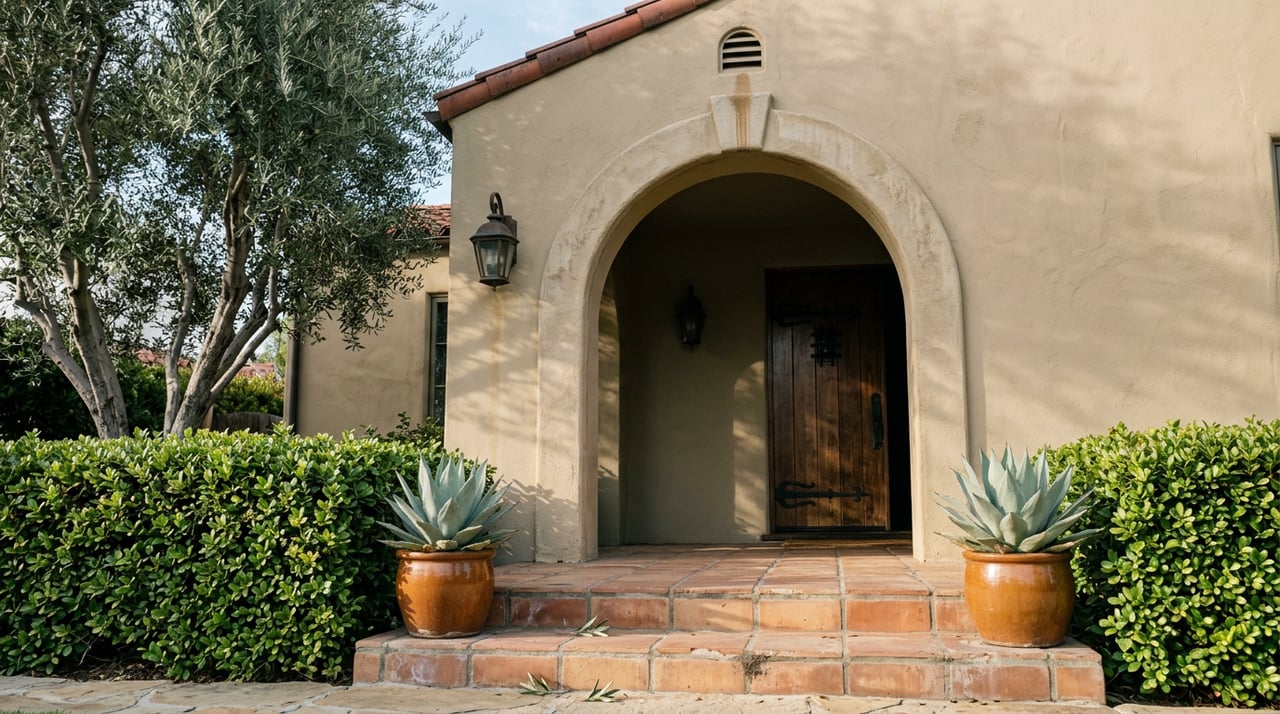
Why So Many San Jose Homes Get Listed, Pulled, and Relisted
You've probably seen it if you've been watching a specific San Jose neighborhood for more than a few months. A house goes up. The photos look good, the price looks reasonable, and then a few weeks later the listing just disappears. No sold sign. No price cut announcement. It's simply gone. Then, sometimes six months later, sometimes a year later, the same house resurfaces with a fresh set of photos and a price that looks a lot like the old one.
That pattern isn't a fluke. It's the visible edge of a much bigger story about how San Jose sellers actually behave, and it explains something the median price on any listing portal can't tell you.
Redfin's national tracking put San Jose second among the fifty largest U.S. metro areas for delistings in April 2026, with 9.3% of that month's listings pulled off the market before selling, trailing only Atlanta. At the same time, San Jose led the entire country in January 2026 for relistings, meaning 12.5% of that month's new listings were homes that had been pulled off the market at some point in the prior year. By April, San Jose's relisting share had cooled to 4.1%, still the second highest in the nation after San Francisco.
Read those two facts side by side and they seem to argue with each other. How can a market be near the top of the country for sellers walking away from a sale while also near the top for sellers coming right back?
The answer is that a lot of San Jose's "for sale" activity isn't really about selling. It's about testing.
Everyone talks about the mortgage rate lock-in. An analysis published in January 2026 estimated that roughly 85% of existing San Jose homeowners are sitting on rates below 6%, and giving that up to buy a comparable home at today's rates is a real financial hit. That part of the story is familiar by now, in San Jose and everywhere else in the country.
What's specific to California, and rarely gets the same airtime, is the second lock. Redfin's chief economist, Daryl Fairweather, pointed to it directly when describing why so many San Jose owners pull their listings rather than negotiate: staying put often means paying far less in property tax than moving would cost, even before you factor in the new mortgage rate.
That's Proposition 13 doing exactly what it was designed to do since 1978. The longer you've owned, the wider the gap between your tax bill and your neighbor's tax bill on an identical house down the street.
Here's what that gap looks like in real numbers. According to MyCAHomeLoan, a homeowner who bought in San Jose in 1990 for $200,000, watching that same house climb to roughly $1.5 million today, is likely paying property tax on an assessed value near $380,000, an annual bill around $4,200. Sell that house and buy a comparably priced replacement, and the new tax bill resets to something closer to $16,500 a year. That's a $12,000 annual increase for owning the exact same value of house. TaxFightBack says that in San Jose's highest-appreciation pockets, where prices have compounded for three or four decades, that gap between what a longtime owner pays and what a buyer would pay on the same address can run $15,000 to $25,000 a year.
| Longtime owner (bought 1990) | New buyer (rebuys in 2026) | |
|---|---|---|
| Home value | ~$1.5 million | ~$1.5 million |
| Assessed value | ~$380,000 | ~$1.5 million |
| Annual property tax | ~$4,200 | ~$16,500 |
| Annual difference | ~$12,000 more |
That's the second lock on the door. A seller doesn't just have to want a new rate.
Every summer, that gap gets put in writing. Santa Clara County's assessed value notices go out around the same time the spring selling season is winding down, and this year's cycle had a new signature on it: Neysa Fligor was sworn in as County Assessor on January 27, 2026. The informal Proposition 8 review window, where owners can ask for a temporary reduction if market value has dipped below their assessed value, ran through August 1. The formal Assessment Appeal window followed, open from July 2 through September 15, and for the first time this year it carried a new nonrefundable filing fee of $290 for residential parcels.
None of that is the reason San Jose has a delisting problem. But it's the annual reminder that pushes the math into focus at exactly the moment a lot of owners are also deciding whether to list. A longtime owner weighing a move gets their assessed value notice, sees the number in black and white, and files an appeal to protect it rather than a listing to move on from it. That's not a coincidence of timing. It's the same lock working on two different forms.
There is a path around the property-tax part of this, and it's the reason some of San Jose's longest-held homes do eventually surface. Proposition 19 lets homeowners 55 and older transfer their existing Prop 13 assessed value to a replacement home anywhere in California, up to three times in a lifetime, as long as the new home is of equal or lesser value at the time of the move, or close to it. That's the mechanism that lets a longtime owner downsize without eating the full tax reset described above.
It's a narrow door. It doesn't help a 45-year-old owner sitting on a low tax basis who wants to move up rather than down. But it's the reason the occasional large, long-held house does eventually come to market instead of staying frozen behind a tax bill nobody wants to trade for.
If you're comparing San Jose against other South Bay cities and the inventory numbers look thin, the instinct is to read that as pure scarcity, as though there simply aren't enough houses. Some of that is real. But a meaningful share of the tightness is behavioral. Owners are testing prices, watching the response, and pulling back rather than negotiating, because the alternative to staying put costs more than most buyers realize.
That has a practical upside if you're actively looking. Homes that are priced correctly and genuinely for sale are still moving fast. Over the three months ending August 2026, San Jose homes sold in an average of 21 days, with buyers submitting close to three offers on the typical listing. The friction isn't in the well-priced homes. It's in the ones that test the market at a number the seller isn't actually willing to move on, then vanish rather than come down.
If you're the one selling, the same math cuts the other way. Knowing where you sit on this lock-in spectrum, how large your own tax gap is and how a Prop 19 transfer might or might not apply to you, changes how you price and how firmly you hold your number. That's not a small detail to skip past before you list.
Does a delisted-then-relisted home mean something is wrong with it? Not necessarily. In a market where San Jose has ranked among the top two U.S. metros for both delistings and relistings through 2026, a pulled listing is often a seller testing price rather than a signal of a hidden defect. Worth asking your agent about the listing history, but it's not automatically a red flag.
I'm nowhere near 55. Does the Prop 13 lock-in still affect my home search? Yes, indirectly. Even if you can't use Prop 19 yourself, the sellers you're negotiating with may be weighing exactly this tradeoff. Understanding why a seller is reluctant to move on price can explain a lot about how a negotiation unfolds.
Will San Jose's inventory ever loosen up? Some of it will, gradually, mostly through life events: retirement, relocation for family, or a Prop 19 transfer for owners 55 and older. Rate changes could shift the calculus too. But the property tax half of the lock-in doesn't expire the way a mortgage rate cycle does, so it's reasonable to expect this dynamic to shape San Jose's listing patterns for years rather than months.
If you're trying to figure out where your own home sits on this tax basis and rate math, or what a specific San Jose listing's history actually tells you before you write an offer, that's exactly the kind of question Andy Sweat works through with clients every week. Get your instant home valuation and start the conversation with real numbers instead of guesswork.
This article is general information, not legal, tax or financial advice. Consult a qualified professional about your situation.
Stay up to date on the latest real estate trends.


Work with Andy Sweat and gain a real partner in your real estate journey. Andy takes the time to understand your goals, your concerns, and the story behind your move. He believes real estate is about people first, and property second. Whether buying or selling, Andy guides every step with care, clarity, and confidence.

ANDY SWEAT | CA DRE# 01974462
16780 Lark Ave Los Gatos, CA 95032